

Forming Minds and Hearts in a Time of Change
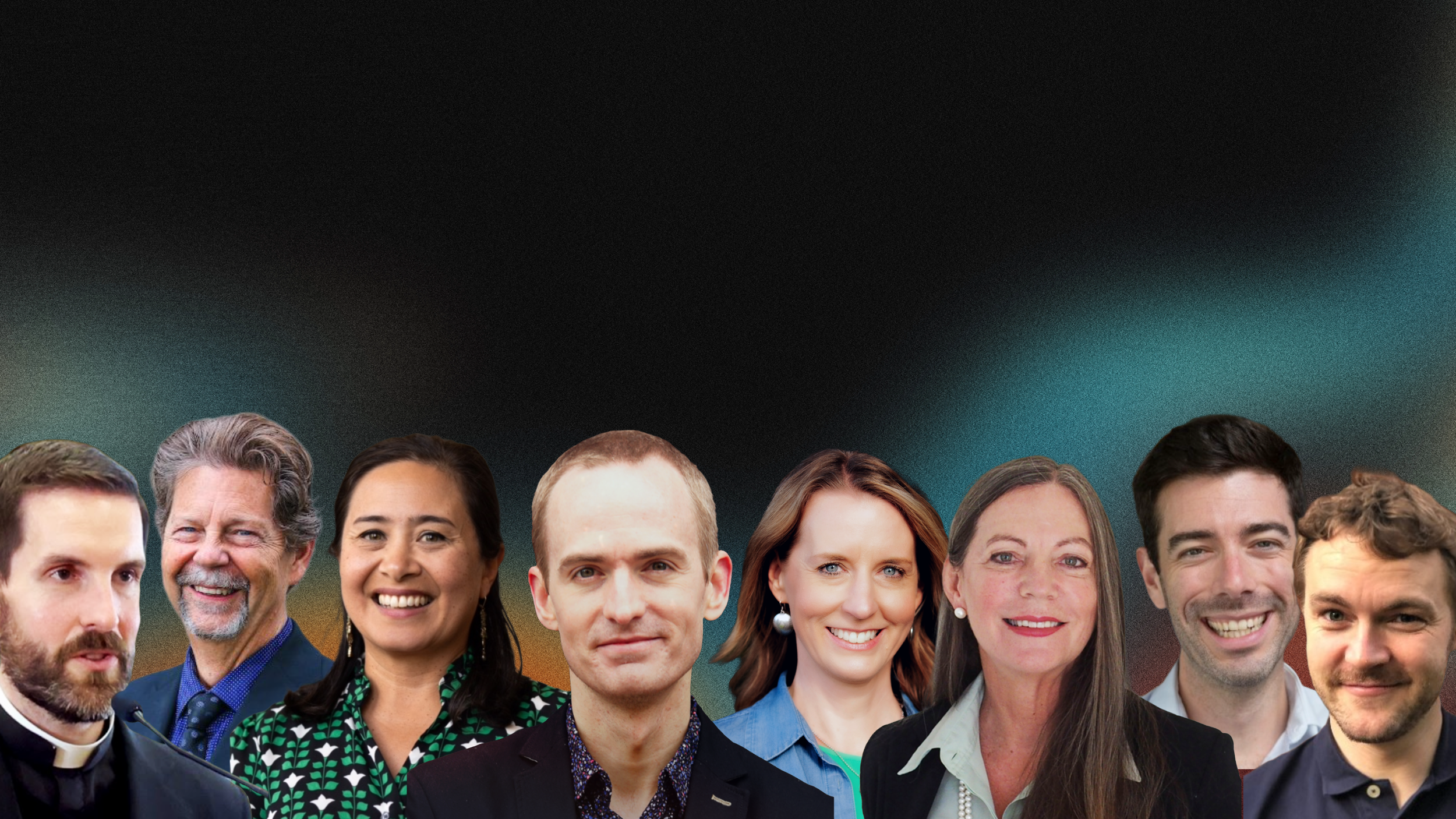
Left to right: Father Michael Baggot, Dr. Gerry Turcotte, Angela Fortinataeu, Matthew Harvey Sanders, Amy L. Eva, Dr. Judi Neuman, David Fainstein, Zach Groshell.
The upcoming Catholic Educators’ Conference brings together leading voices in education, theology, learning science, and public life to address the intellectual, moral, and practical demands facing Catholic schools today. The program reflects a field shaped by rapid technological change, rising academic expectations, and an urgent need for formation grounded in faith, reason, and human dignity.
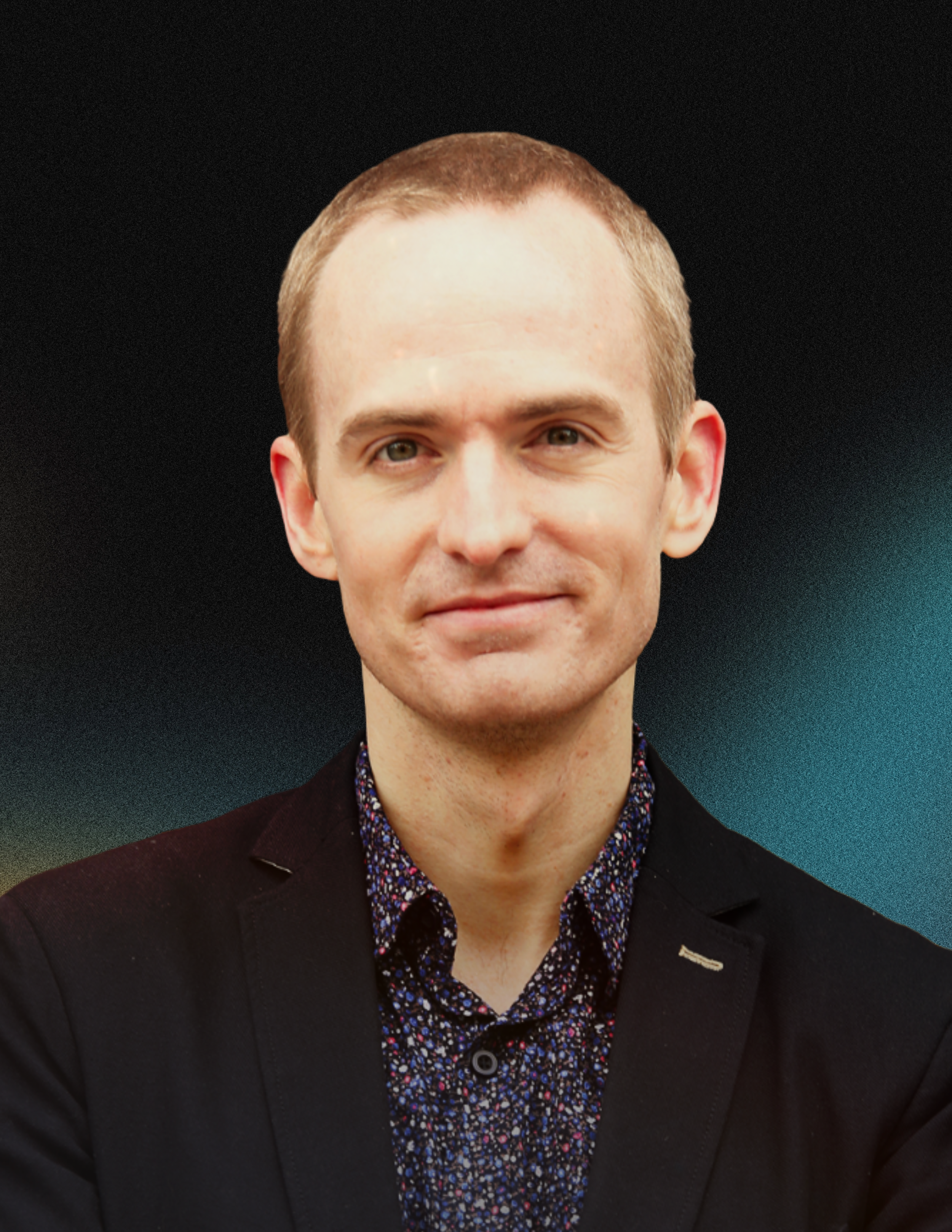
The conference keynote is delivered by Matthew Harvey Sanders, who addresses one of the most consequential forces reshaping education and society. His session examines artificial intelligence through ethical, spiritual, and educational lenses, drawing on global developments and Catholic social teaching. He traces the accelerating impact of intelligent systems on communication, learning, and decision making, while challenging educators to discern what must remain uniquely human in their vocation. The address balances innovation with caution, emphasizing wisdom, moral agency, and mission as essential guides in a technologically driven age.
Technology continues as a practical discipline. Workshops explore real world uses of AI in offices and classrooms. Educators examine productivity, security, and daily task support. The focus stays grounded. What serves mission. What protects privacy. What strengthens human judgment rather than replacing it. A deeper ethical session addresses AI companions and digital intimacy. The discussion confronts loneliness, artificial attachment, and spiritual confusion. Educators receive guidance rooted in Catholic anthropology. Formation centers on embodied relationship, virtue, and community.
Pedagogy forms the academic foundation of the conference. Judy Newman and Amy Eva lead an in depth exploration of literacy grounded in policy, science, and classroom practice. Right to Read legislation across Canada anchors the discussion, with direct relevance for British Columbia. Participants engage with settled reading science and evidence based instruction. Screening, assessment, and progress monitoring guide decision making. Structured literacy routines move from research into application. The session equips educators to strengthen early reading instruction for all learners.
Secondary education receives focused attention through learning sciences and executive functioning research. Zach Groshell examines how adolescents acquire complex academic skills in Grades 8 through 12. Instruction unfolds across acquisition, fluency, generalization, and adaptation. Participants analyze tasks and learner needs to identify precise instructional supports. Executive functioning strategies integrate intentionally at each stage. The session emphasizes clarity, structure, and responsiveness grounded in cognitive science.
Faith and vocation remain central throughout the program. Drawing from an Apostolic Letter titled Drawing New Maps of Hope and the teachings of St Josemaria Escriva, Zach Groshell also reflects on teaching as sanctified work. Education emerges as formation in virtue, not content delivery alone. The session blends realism with hope. Humor meets discipline. Daily work gains spiritual meaning through intention and service.
Literature and lived experience deepen the conversation. Dr Gerry Turcotte uses his novel The Space Between to examine faith, doubt, leadership, and identity within Catholic schools. The narrative moves across elementary and secondary settings shaped by institutional pressure, parental influence, and cultural complexity. Humor sharpens insight. Stress reveals truth. The session affirms how educators create spaces where students develop resilience and purpose even amid crisis. Catholic education appears demanding and formative. Leadership requires courage. Teaching demands presence.
The conference also addresses the full lives of educators beyond the classroom. Financial well being sessions led by Bruce Chow provide structured guidance on retirement planning. Participants explore group plans, investment options, income strategies, budgeting, estate planning, and health considerations. The focus stays practical. Clarity replaces uncertainty. Long term stability supports sustained vocation.
Across every session, a shared commitment emerges. Catholic education forms minds through rigor and hearts through meaning. This conference offers educators the tools to teach with precision, lead with integrity, and navigate change without losing mission.