

Faith, Courage, and the Classroom: A Visit That Shapes Young Hearts
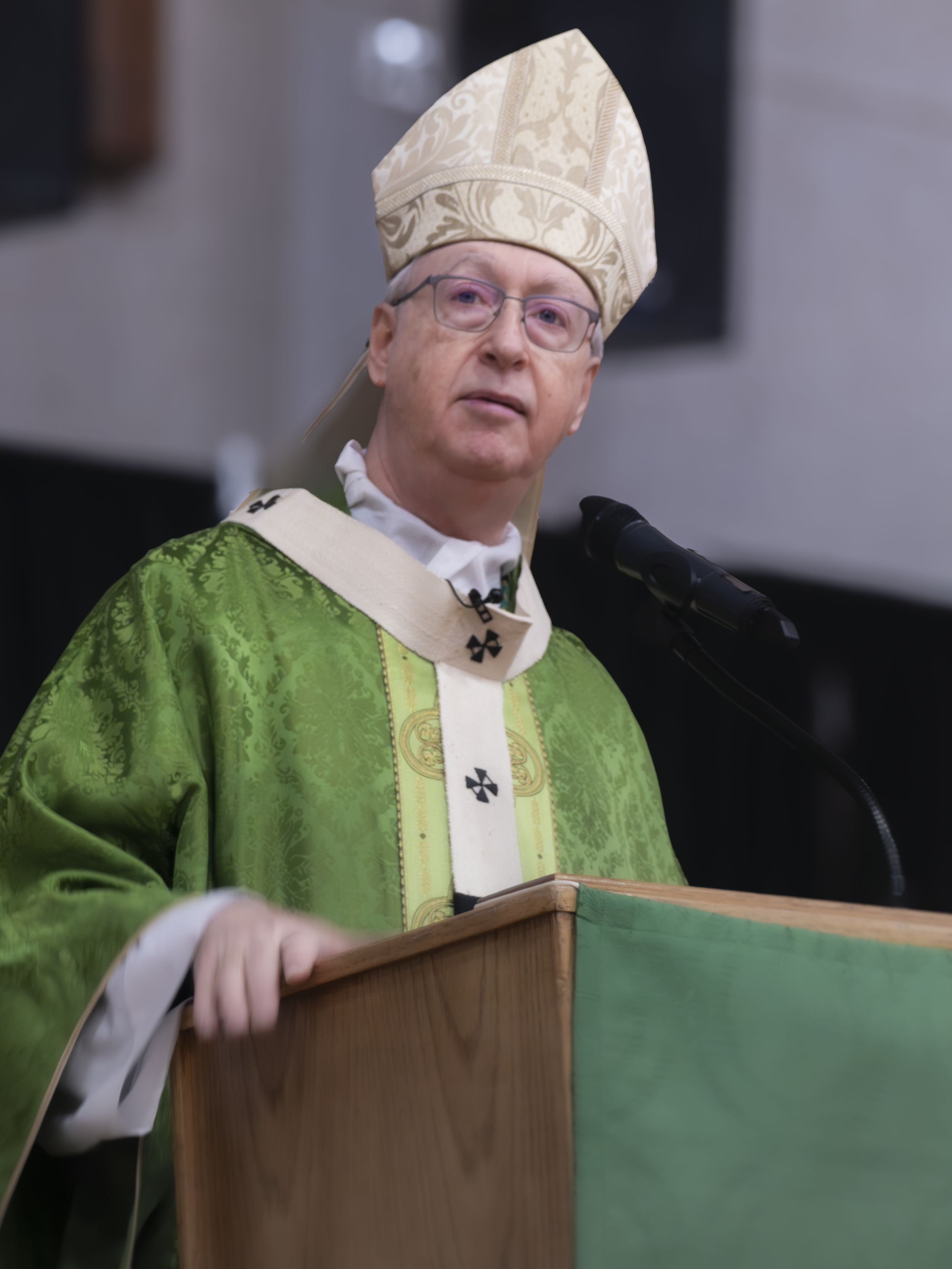
St. Thomas Aquinas Regional School welcomed the Archbishop for their monthly school Mass. This was his first celebration with CISVA students since his appointment. The readings included Daniel 2, where the stone not shaped by human hands brings down the statue in King Nebuchadnezzar’s dream, revealing God’s unshakable kingdom. The Gospel proclaimed Christ’s call to live without fear. His Grace centered his homily on trust in God and the steady courage formed through faith.

For families considering Catholic education, this moment reflects the formation students receive each day. Catholic schools introduce students to Scripture in age-appropriate ways, and they learn that God moves through history with purpose. They hear Christ’s invitation to choose trust over fear. They see Church leaders speak directly to them during school liturgies. This presence forms an anchor in their development. It teaches them that they are not alone, and that they stand within a community shaped by prayer, sacrament, and truth.
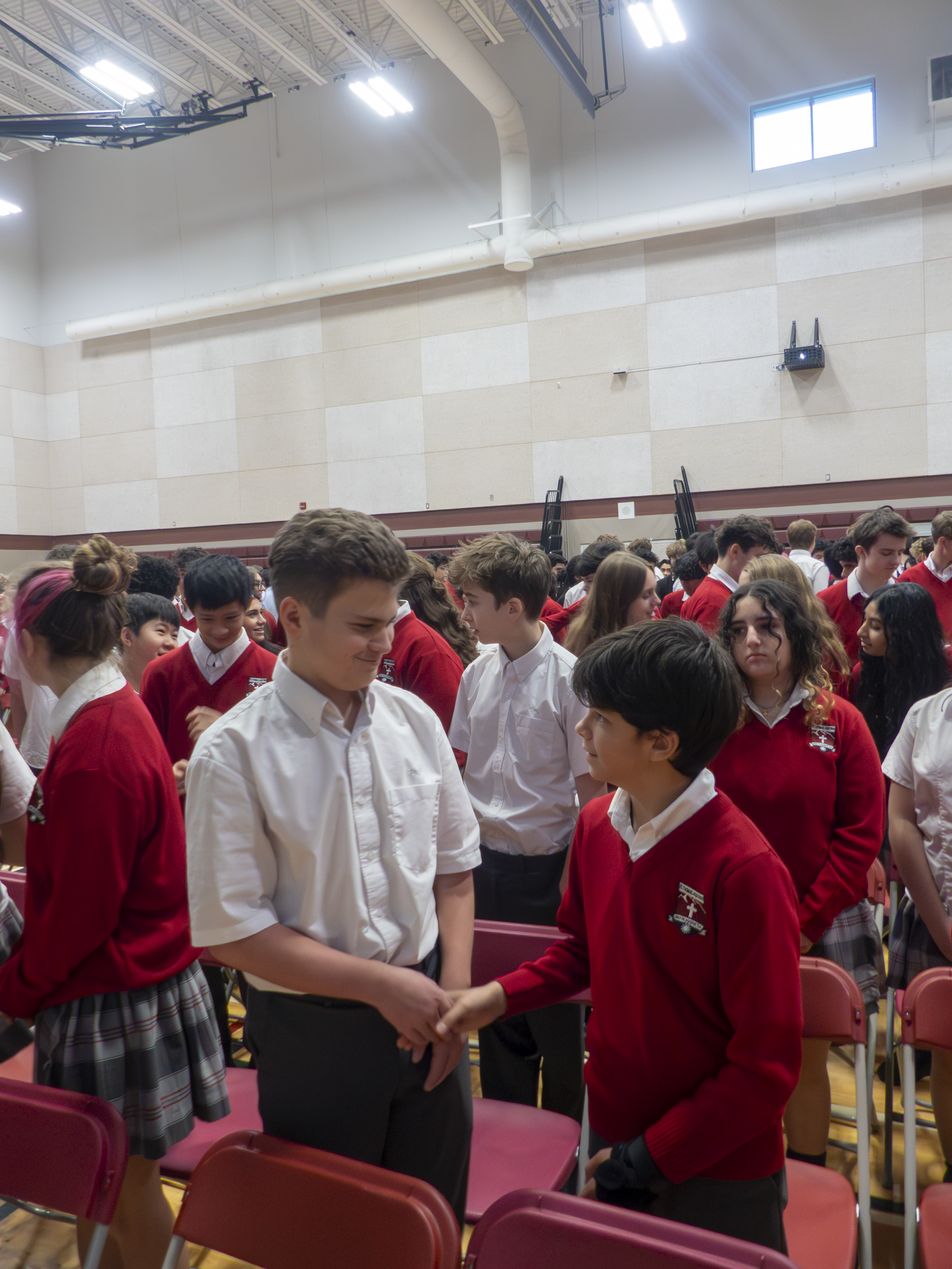
Students in Catholic schools learn to see challenges through the lens of faith. They learn to pause, reflect, and respond with clarity. The message to not be afraid becomes a guiding principle. It supports emotional stability. It strengthens conscience. It teaches responsibility toward peers. Research in Catholic education consistently shows that students educated within faith-based systems report stronger moral reasoning and higher engagement in service. They also report deeper confidence in their identity. Catholic anthropology grounds this growth. Each child holds inherent dignity as a human person created by God, and education strengthens this understanding.
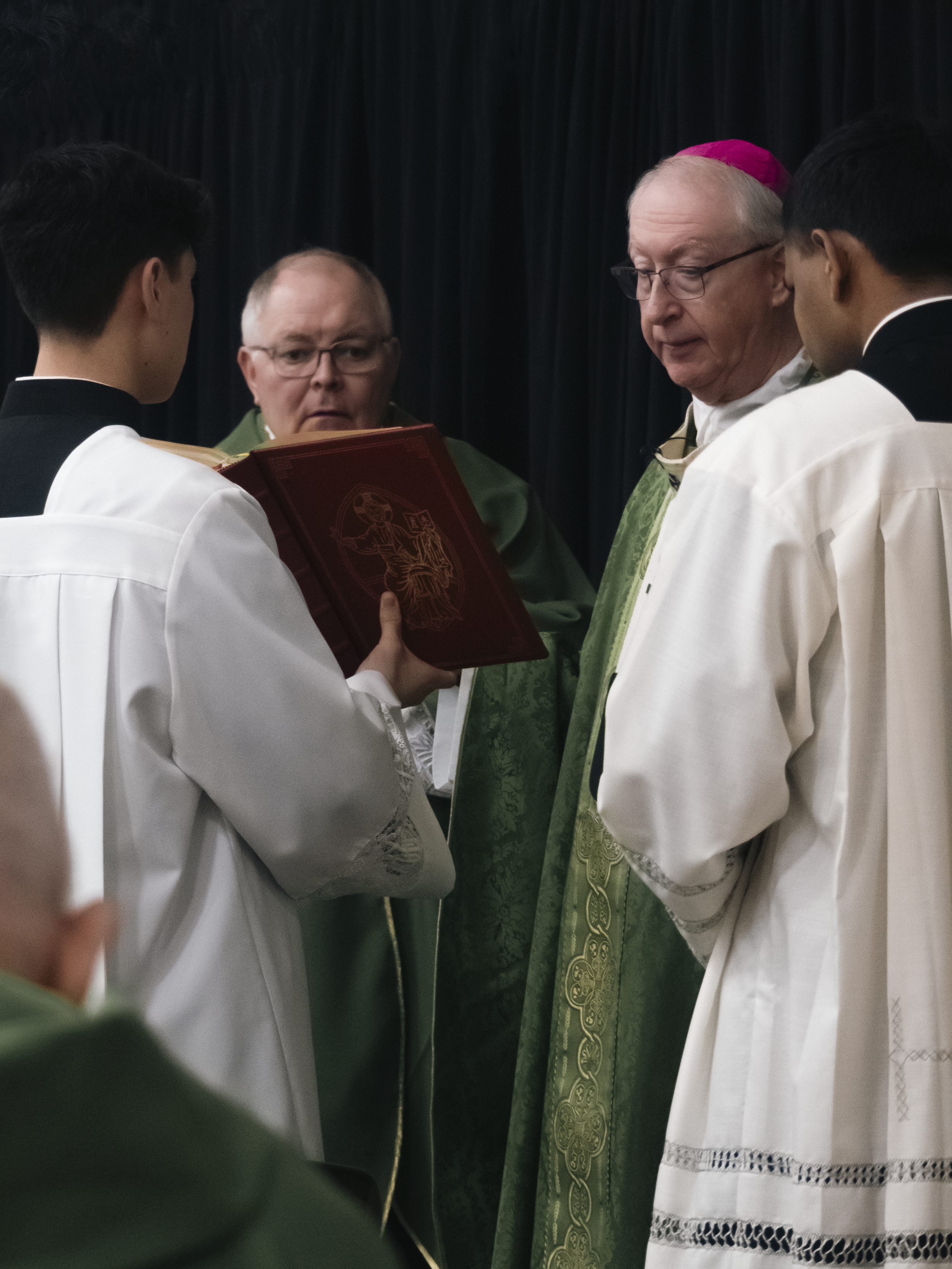
The presence of the Archbishop reinforces these truths. His leadership signals to students that their education takes place within the broader mission of the Church. They learn that their faith connects them to the global Catholic community. They also learn that their daily work in the classroom matters to the Church. It is part of their formation toward virtue, responsibility, and service.
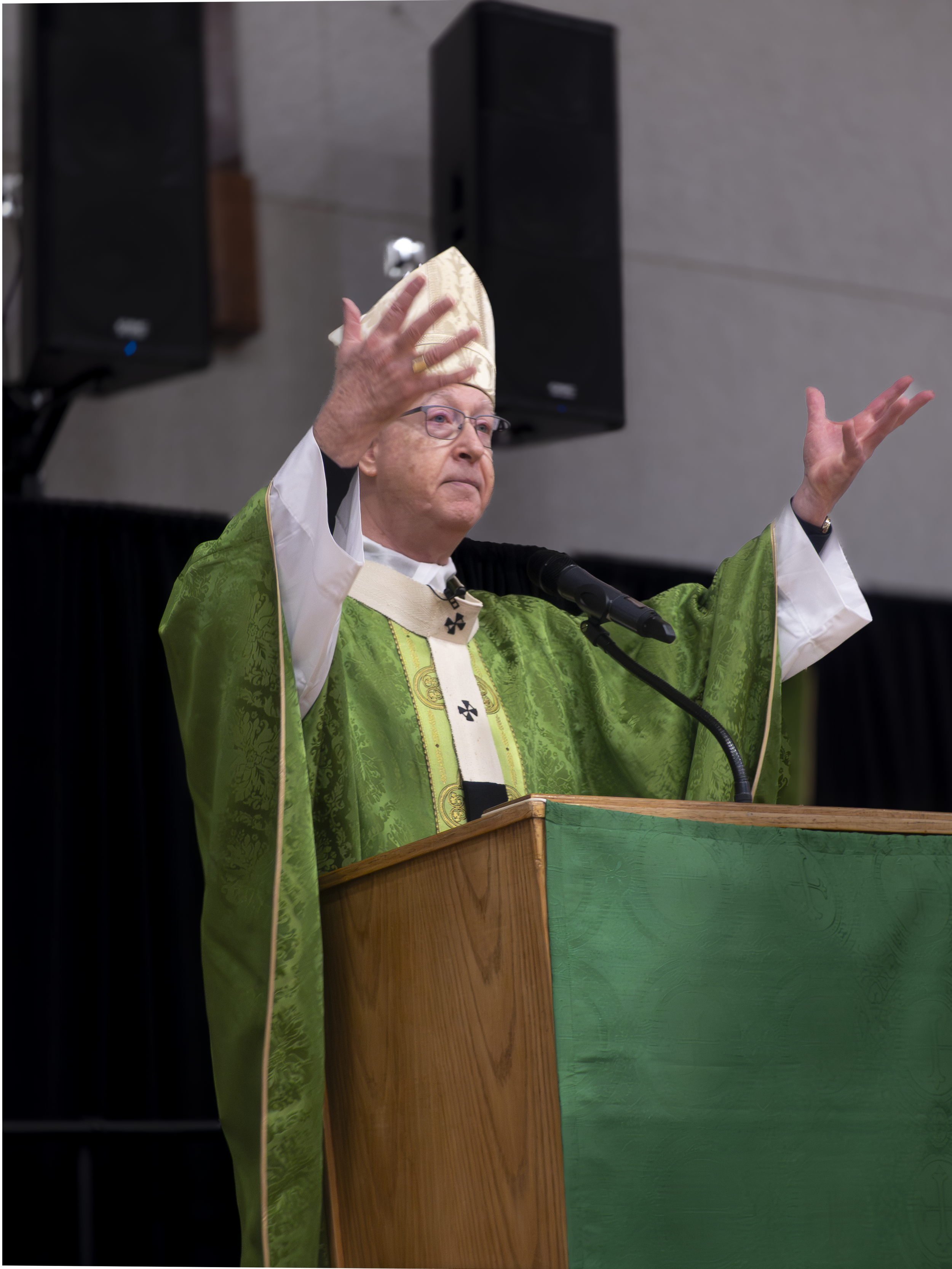
For parents, this environment offers structure, stability, and clear moral direction. Catholic schools teach students to think critically, act responsibly, and form strong inner character. They grow in a setting where trust in God reduces anxiety and builds resilience. They participate in liturgies where Scripture becomes real and practical. They see faith lived by teachers, administrators, and clergy. This shapes their understanding of community and purpose.
A visit from the Archbishop is more than a ceremonial moment. It strengthens the bond between the school and the wider Church. It affirms the direction of Catholic education. It gives students a clear reminder that faith informs life choices, relationships, and future goals. Families who choose this environment give their children a formation that develops intellect, conscience, and a sense of calling anchored in trust, courage, and hope in God.