

The History of CISVA Athletics
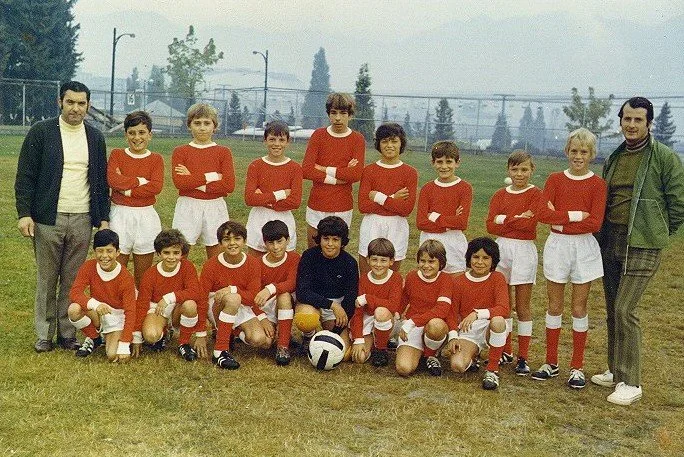
CISVA athletics began long before it had a name, a commission, or formal rules. Its roots stretch back to the early 1970s, when Catholic school sports were in their infancy and guided by the belief that all children deserved to play. In those early years, participation mattered because there were limited opportunities in the community to join pay-to-play sports. CISVA schools found ways, sometimes imperfect but always creative, to make room for every student who wanted to be on a team. Athletics was viewed as an extension of Catholic education, where teamwork, humility, fairness, and community were formed as intentionally as academics and faith.

The 1970s, The CYO and Knights of Columbus Era: Where It All Began
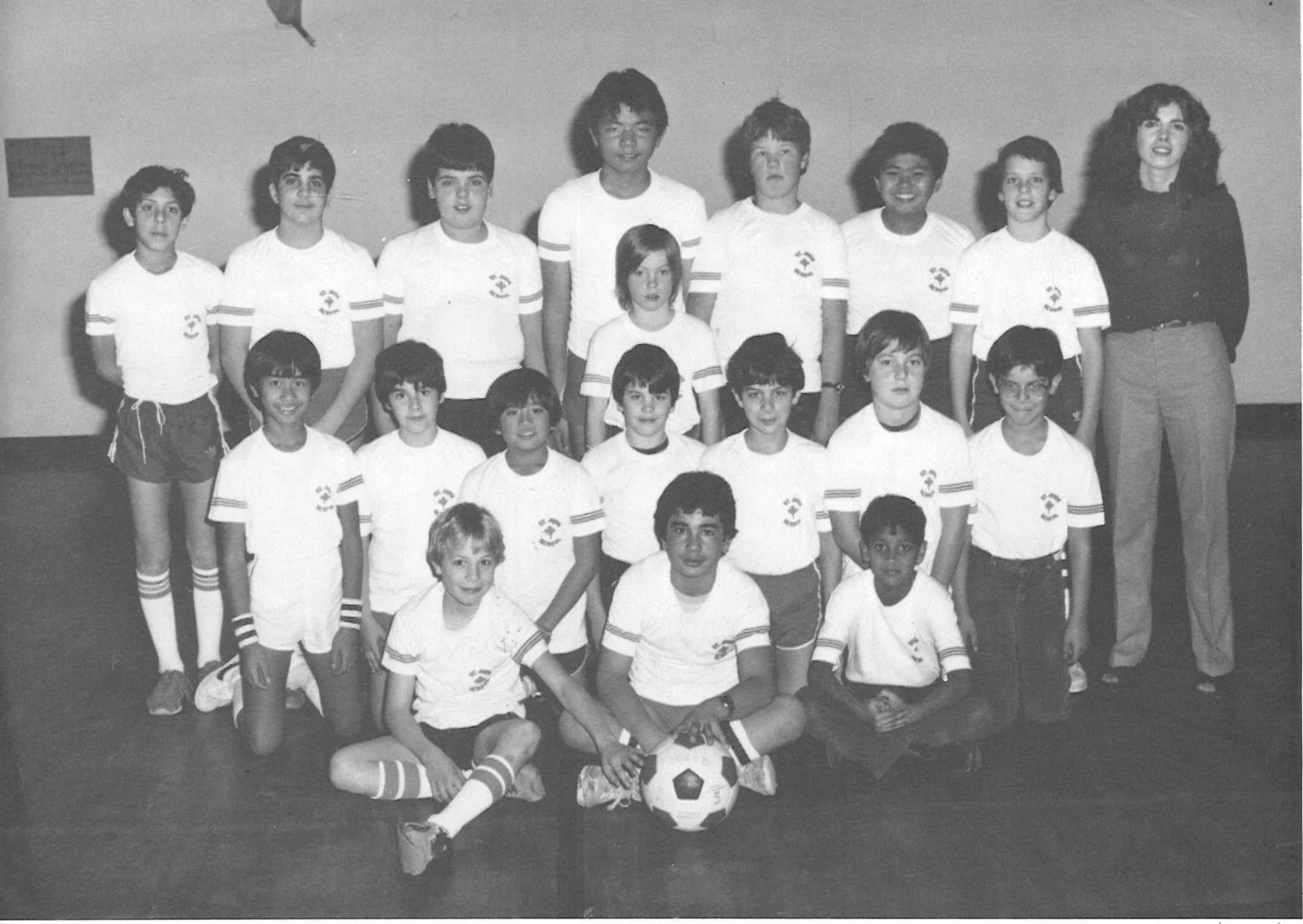
Trophies show that schools organized tournaments as far back as the 1960s when CISVA was much smaller. The story begins in the 1970s when organized sports were coordinated by the Catholic Youth Organization and the Knights of Columbus. Working from an office at 150 Robson Street, the CYO began interschool sports for Catholic schools. At the same time, the Knights of Columbus ran a track and field tournament that continues every May. This tournament would later become a CISVA event, while the original version shifted to serve Fraser Valley schools. Participation grew quickly and by the late 1970s athletics became central to student life.
The Early 1980s, Growth and Transition
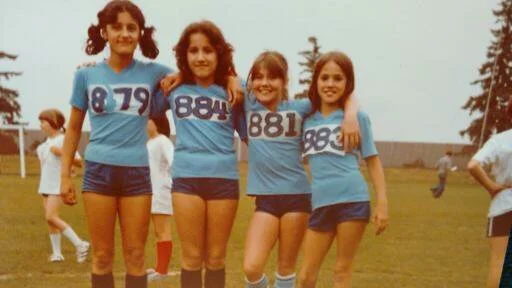
As new schools opened and double-streamed schools became common, principals and coaches wanted more involvement. With more volunteers, stronger communities, and growing parent engagement, schools sought consistency and fairness. At that time, CISVA sports had two levels, one competitive and one non-competitive. Rising participation strained both levels because of inconsistent competition, uneven scheduling, long travel distances, and the absence of clear rules.
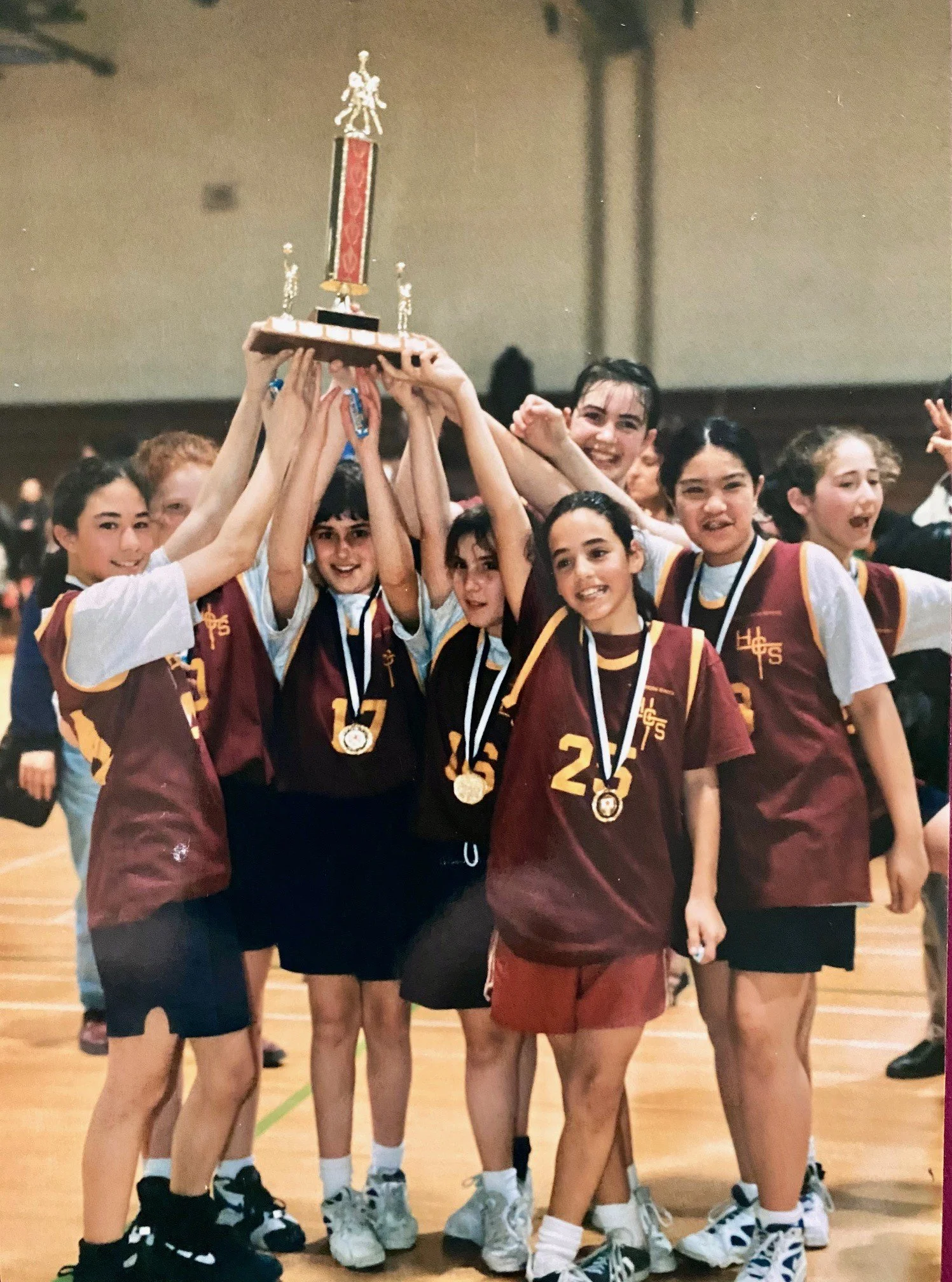
A pivotal moment came in 1984 during a principal retreat ferry ride to Victoria. A small group of principals, joined by superintendent Al Blesch and associate Chuck Luttrell, raised shared concerns. There were no formal policies. More schools were involved. Scheduling and competition lacked consistency. Some schools cut players while others struggled to form balanced rosters. Schools also wanted more control. From this conversation came the idea that changed everything, an Athletic Commission modeled loosely after the high school system but shaped for elementary needs, fairness, and collaboration.
Late 1980s to 1990s, The Emergence of the Athletic Commission
The first commission included the superintendent as chair, CISVA elementary principals, and one high school principal, Bob DeJulius from Holy Cross Secondary. Their early work focused on basketball, creating foundational rules and forming a system similar to the leagues known today. This era also marked a shift from weekend parent-run events to weekday games with early dismissals, driven by traffic changes, volunteer demands, and a growing youth sports culture.
As CISVA expanded across more cities, former Commissioner Pasquale Balletta introduced an eight-zone structure based on geography. This reduced travel and created fairer competition. The commission also created a recognition dinner to honour contributors to CISVA athletics. Guest speakers included members of the Vancouver Canucks, BC Lions, and Vancouver Whitecaps. The event drew about 200 attendees every year.
2000s, A New Structure for a Growing System
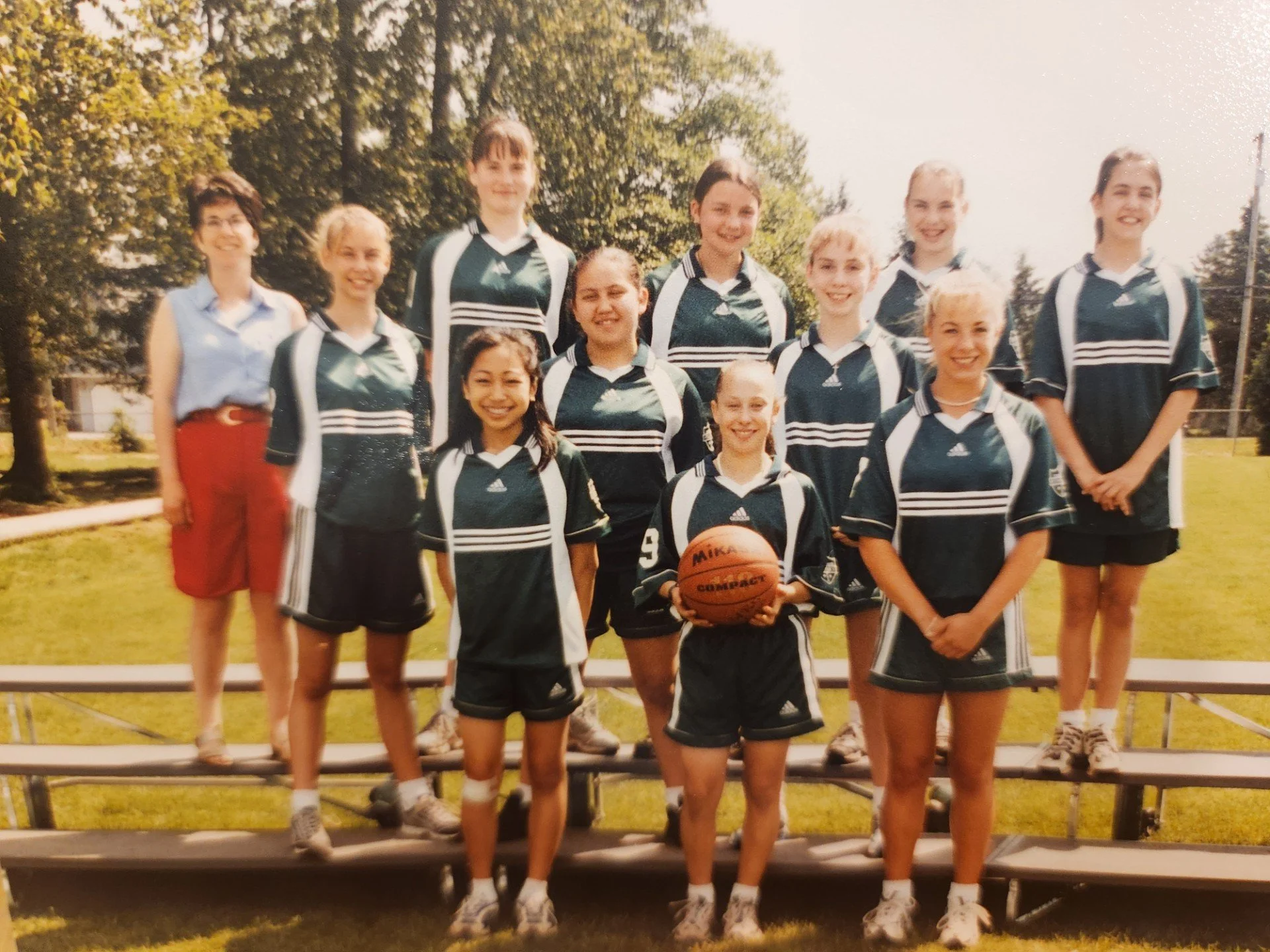
By the early 2000s athletics had outgrown the superintendent’s office, which had coordinated sports through couriered paper messages before email was common. The workload became impossible for a central office. Around 2006, principals took the lead in running the Elementary Athletic Commission with the superintendent acting as a delegate. Fabio Battisti became the first principal chair. Schools saw the rise of athletic directors. The EAC added zone representatives and directors for each sport. The commissioners included a chair, secretary, and three principal commissioners elected by their peers. In 2014, Dino Alberti became the first principal appointed as the superintendent’s delegate and chair.
As BC schools faced greater expectations for structure, safety, risk management, and compliance, athletics adapted. What once relied on trust and informal agreements needed policy. In 2010, Dino Alberti and CISVA principals created the first publicly posted CISVA athletic policies. A Spirit of Athletics document was also created to address concerns related to spectators, coaches, student athletes, referees, and athletic directors, ensuring alignment with Catholic values and mission.
2020 to Present
In 2020, under the leadership of Michael van der Pauw, the EAC managed the challenges of the COVID-19 pandemic. The commission and its directors created ways for schools to maintain athletics safely. Schools continued engaging in activities within their own communities and later resumed interschool events.
In 2022, the EAC, then made up of Michael van der Pauw, Lisa Bond, Jeff Brophy, and Ged Wright, worked with associate superintendent Lesya Balsevich to modernize policies and the Spirit of Athletics. The Board of Directors adopted this work as official CISVA policy titled Elementary Athletic Commission, Policy 437.
Looking Ahead
This history captures only a portion of the rich stories that shape CISVA athletics. Entire chapters could be written on individual events, such as track meets that ran until 8pm or the beginnings of girls soccer. Many events inside and outside the EAC shaped the landscape, such as soccer tournaments at Westminster Abbey in the 1980s and 1990s, the Archangel’s Cup for floor hockey, the short-lived Archbishop’s Cup, and growing participation in flag football.
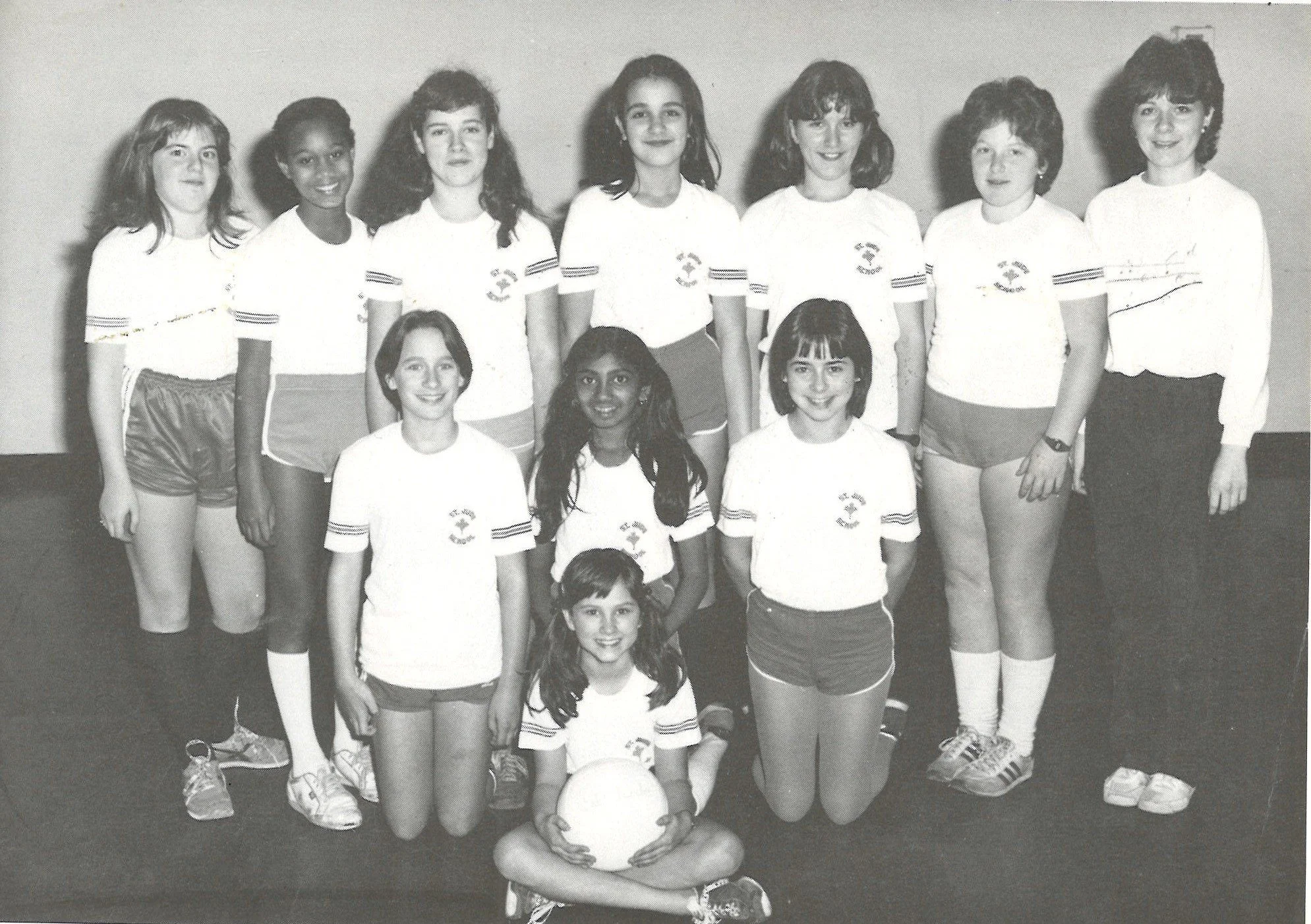
Today, the EAC continues to balance competition with compassion, structure with spirit, and governance with the mission of Catholic education. Since the early 1970s, CISVA athletics has been more than leagues or rules. It is a place where children grow as teammates and leaders and where schools grow closer as a Catholic community.
Key Figures in the Development of CISVA Athletics
The EAC thanks the knowledge keepers interviewed for this project. Their stories preserve the history of CISVA athletics. The following individuals shaped the commission and its development.
Diane Black, CYO coordinator
Al Blesch, first superintendent of the CISVA
Chuck Luttrell, member of the first superintendent’s office
John van der Pauw, former associate superintendent and principal
Fabio Battisti, former associate superintendent and first principal to chair the EAC
Lesya Balsevich, former associate superintendent and principal
Dino Alberti, first superintendent’s delegate of the EAC and former principal
Bob DeJulius, former CISVA principal and first high school representative
Rob Wood, former CISVA principal
Colleen Burnell, former CISVA principal
Chris Sumner, former CISVA principal
Mike Boreham, former CISVA principal
All principals involved in the early formation of the commission
All principals and teachers who served or continue to serve as zone representatives, EAC directors, and commissioners