

The Human Person at the Center: Catholic Educators Respond to a Changing Culture
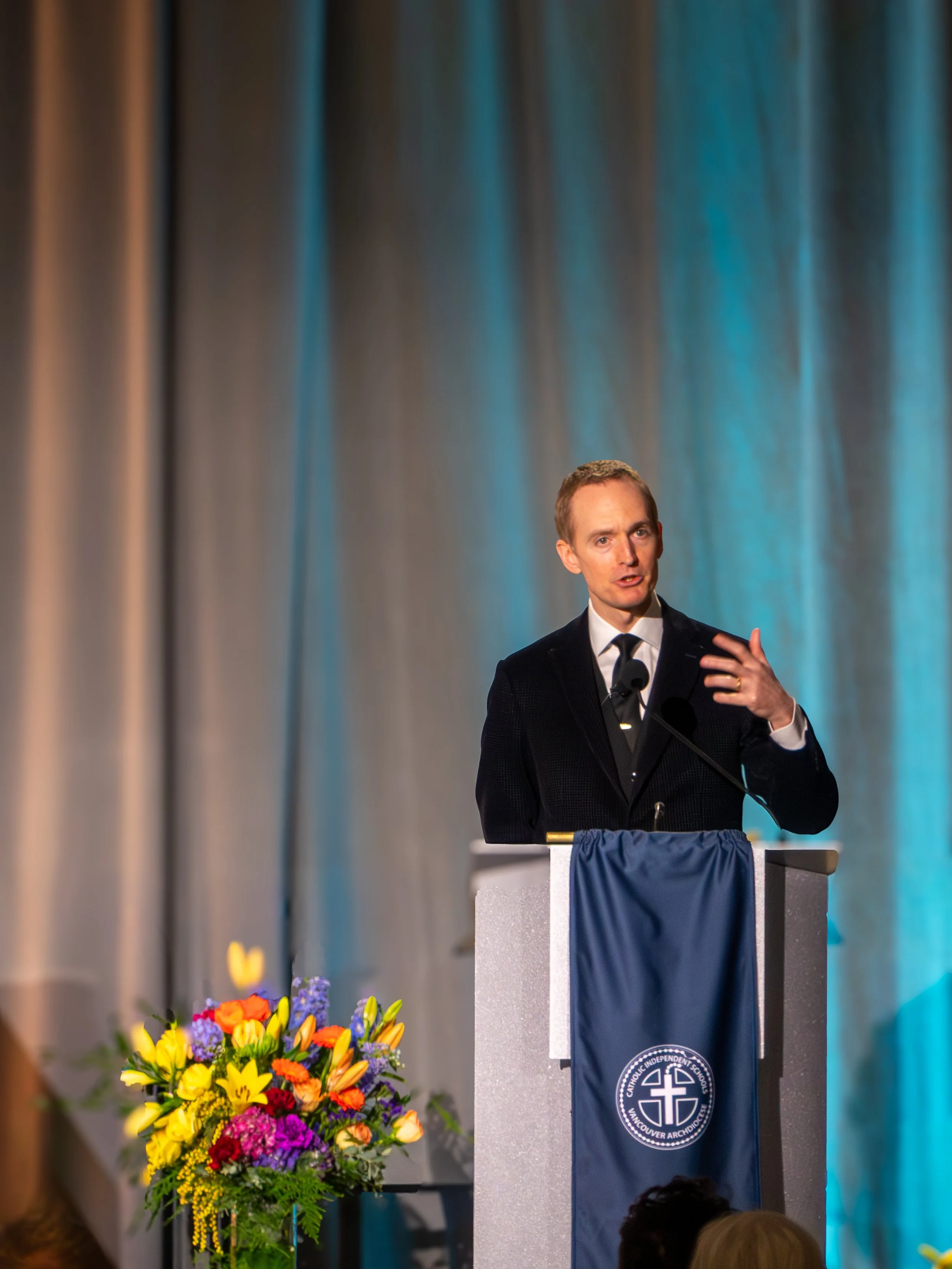
Provincial educators gather at the 2026 Catholic Educators Conference in Vancouver to unite faith, research, and integral human formation in Catholic schools.
Nearly 1,500 Catholic educators, administrators, support staff and clergy gathered at Vancouver Convention Centre for the 2026 Catholic Educators Conference, hosted by the Catholic Independent Schools of the Vancouver Archdiocese. This year marked an unprecedented level of participation, reflecting both the vitality of Catholic education in British Columbia and the shared recognition that this cultural moment demands clarity, conviction, and unity. Over the course of the conference, theology, educational research, and lived classroom experience were woven together in sustained reflection on Catholic schooling and its essential mission: forming the human person created in God’s image and likeness.
The central theme placed the dignity of the human person at the heart of every conversation. The homilies, keynote addresses, and breakout sessions formed a coherent dialogue about educating the whole person, rational and relational and called to truth. Participants considered how Catholic schools can remain steadfast in faith while engaging thoughtfully with rapid technological, social, and cultural change.
The conference closed with Mass concelebrated by His Grace Archbishop Richard W. Smith, CSB, alongside 21 priests from schools and parishes across the archdiocese. Their presence visibly expressed the communion between parish, school, and the universal Church. The liturgy grounded the entire gathering in prayer, reminding educators that Catholic education is not simply a professional enterprise but an ecclesial mission. The sacramental life of the Church remains the source and summit of Catholic schooling, orienting intellectual formation toward holiness and service.
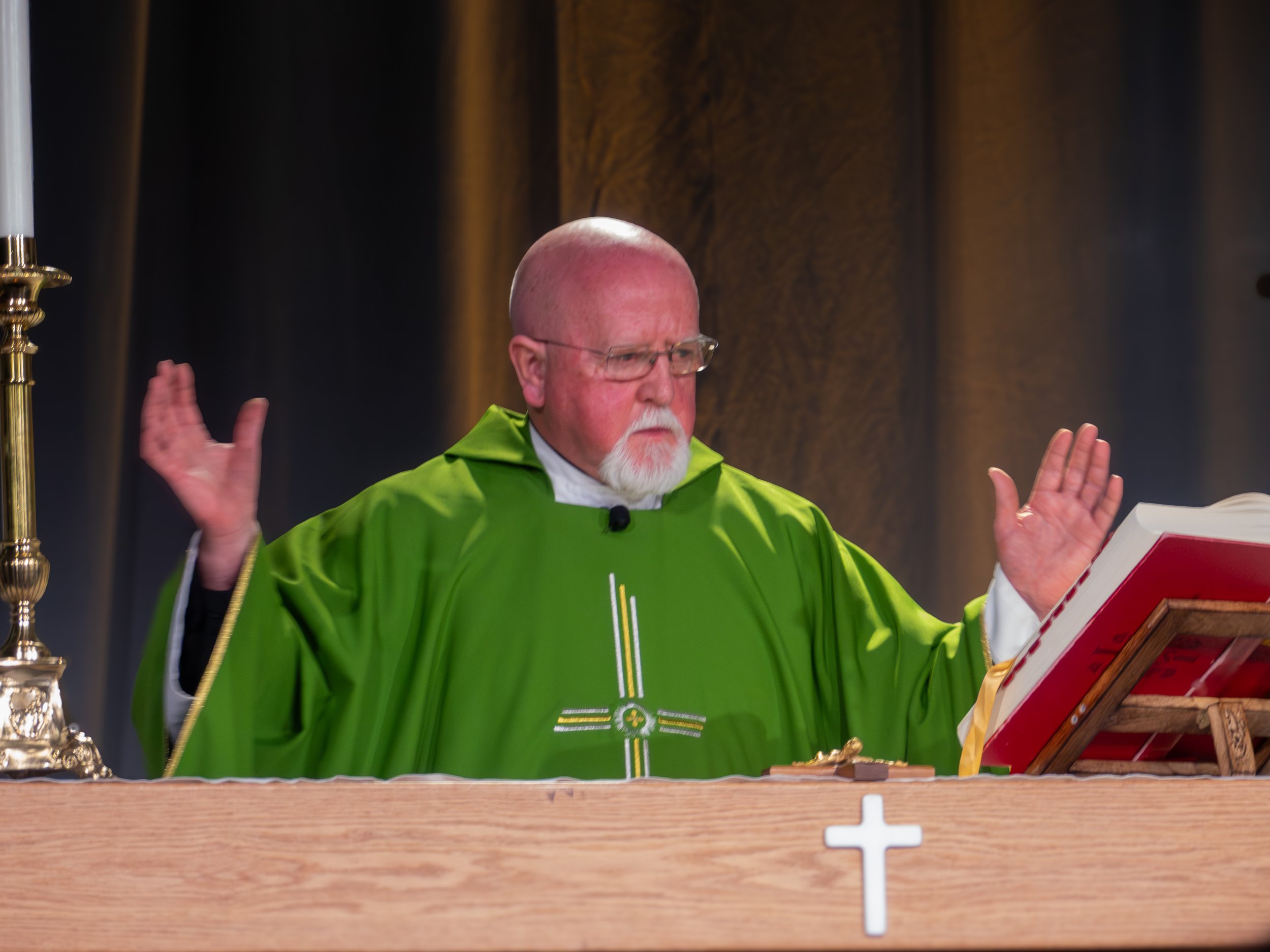
The Opening Homily: Divine Fidelity and Human Hope
Fr. Leo English Inspires Educators with Message of Divine Fidelity and Hope at CEC Opening Mass
In his opening homily, Fr. Leo English, C.Ss.R., offered a message centered on divine fidelity and human hope. Reflecting on Solomon’s story and the refrain of Psalm 106, he emphasized that God remains faithful even amid human weakness. He highlighted the Gospel account of the Syrophoenician woman as an icon of persistent faith and fierce hope; a woman whose trust crossed boundaries and drew forth Christ’s healing mercy. Fr. English reminded educators that hope is not naïve optimism but a chosen theological virtue. Teachers, he said, stand daily within unfinished stories, witnessing signs of grace in small and often hidden ways. In the Eucharist, they encounter abundance rather than scarcity and are strengthened to persevere in fidelity. His message resonated deeply as a call to courage, prayer, and moral witness in classrooms shaped by complexity and challenge.
Keynotes: Technology, Anthropology, and Integral Formation
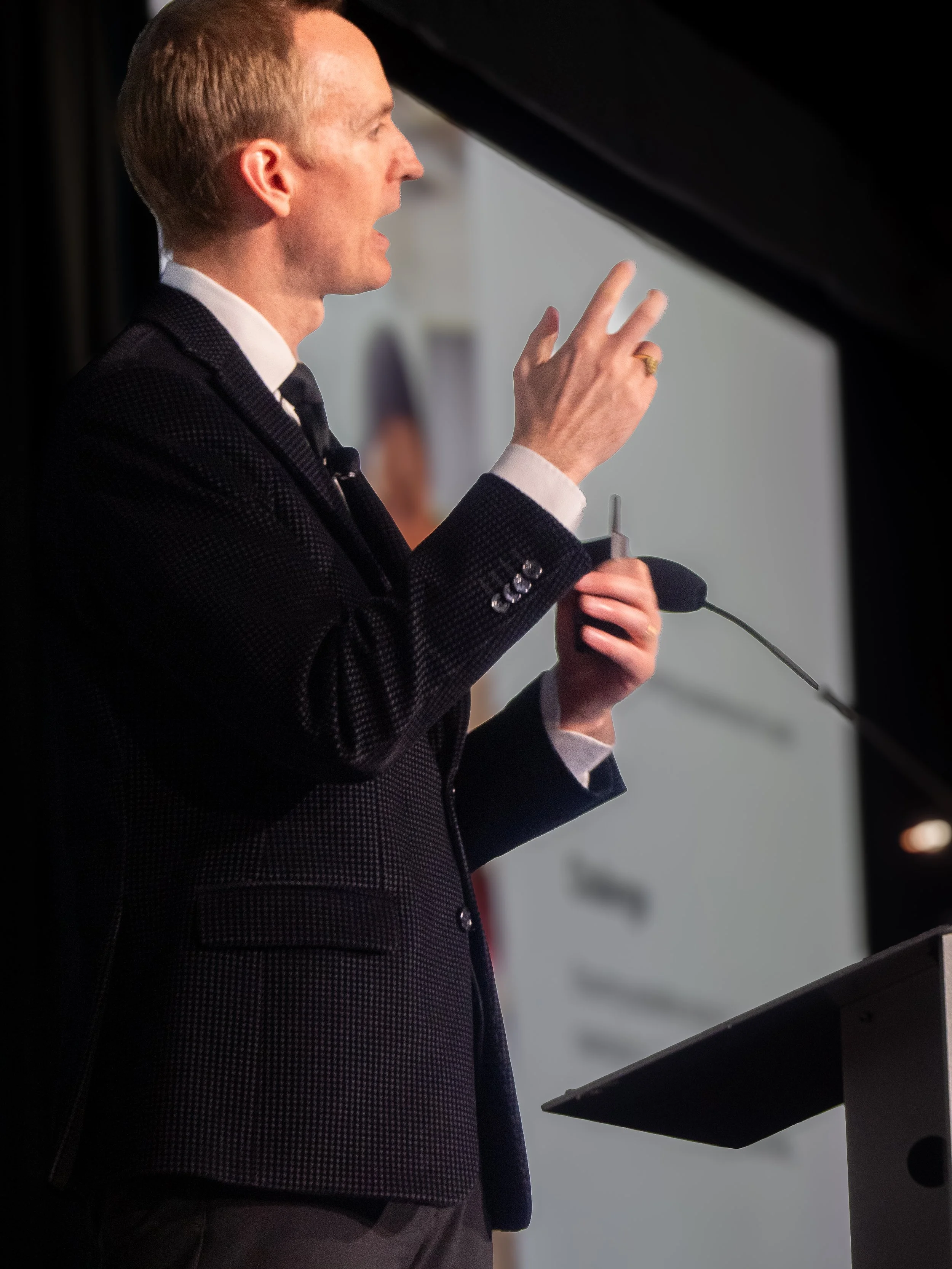
The keynote presentations engaged contemporary realities through the lens of Catholic anthropology. Matthew Harvey Sanders (left), Canadian entrepreneur, CEO of Longbeard, collaborator on Holy See digital initiatives, including Magisterium AI, and leader of Humanity 2.0 in Rome, addressed the growing influence of artificial intelligence on relationships, learning, and culture. He challenged educators to ensure that technological innovation remains ordered to the human person. While AI offers efficiency and access to information, it cannot replace judgment, conscience, or authentic relationship. Catholic schools, he argued, must form students who approach technology with wisdom and responsibility, recognizing both its possibilities and its limits.
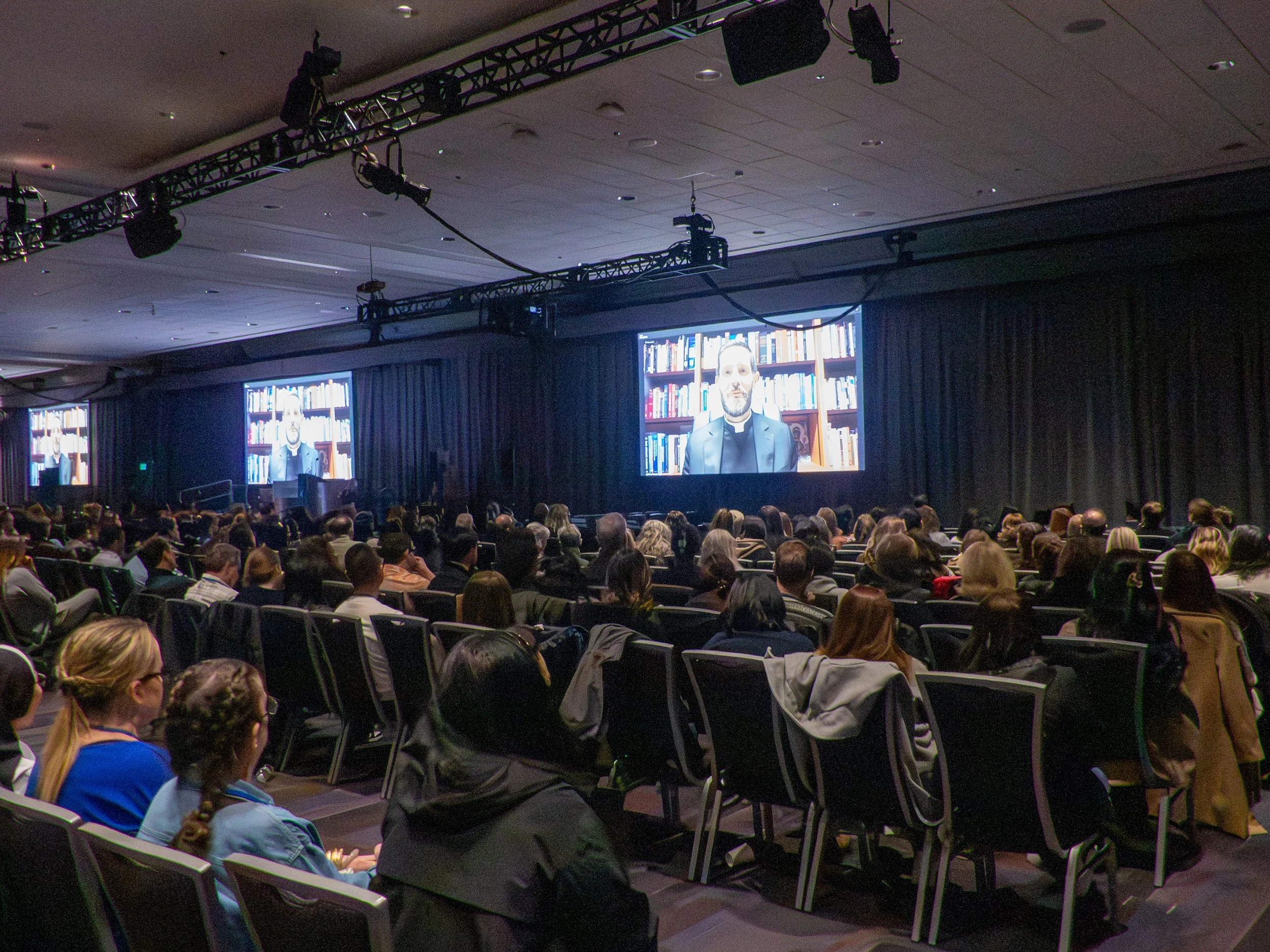
Fr. Michael Baggot (right), a bioethicist at the Pontifical Athenaeum Regina Apostolorum and the Pontifical University of St. Thomas Aquinas, explored the concept of artificial intimacy. He examined how digital technologies that simulate companionship or emotional response can blur the distinction between authentic encounter and manufactured interaction. Such blurring, he cautioned, risks weakening the virtues of patience, sacrifice, and self-giving love that sustain real relationships. Fr. Baggot called educators to cultivate discernment in students, fostering habits of silence, reflection, and prayer that anchor identity in Christ rather than in digital affirmation.
Breakouts: Research, Neuroscience, Virtue, and Well-Being
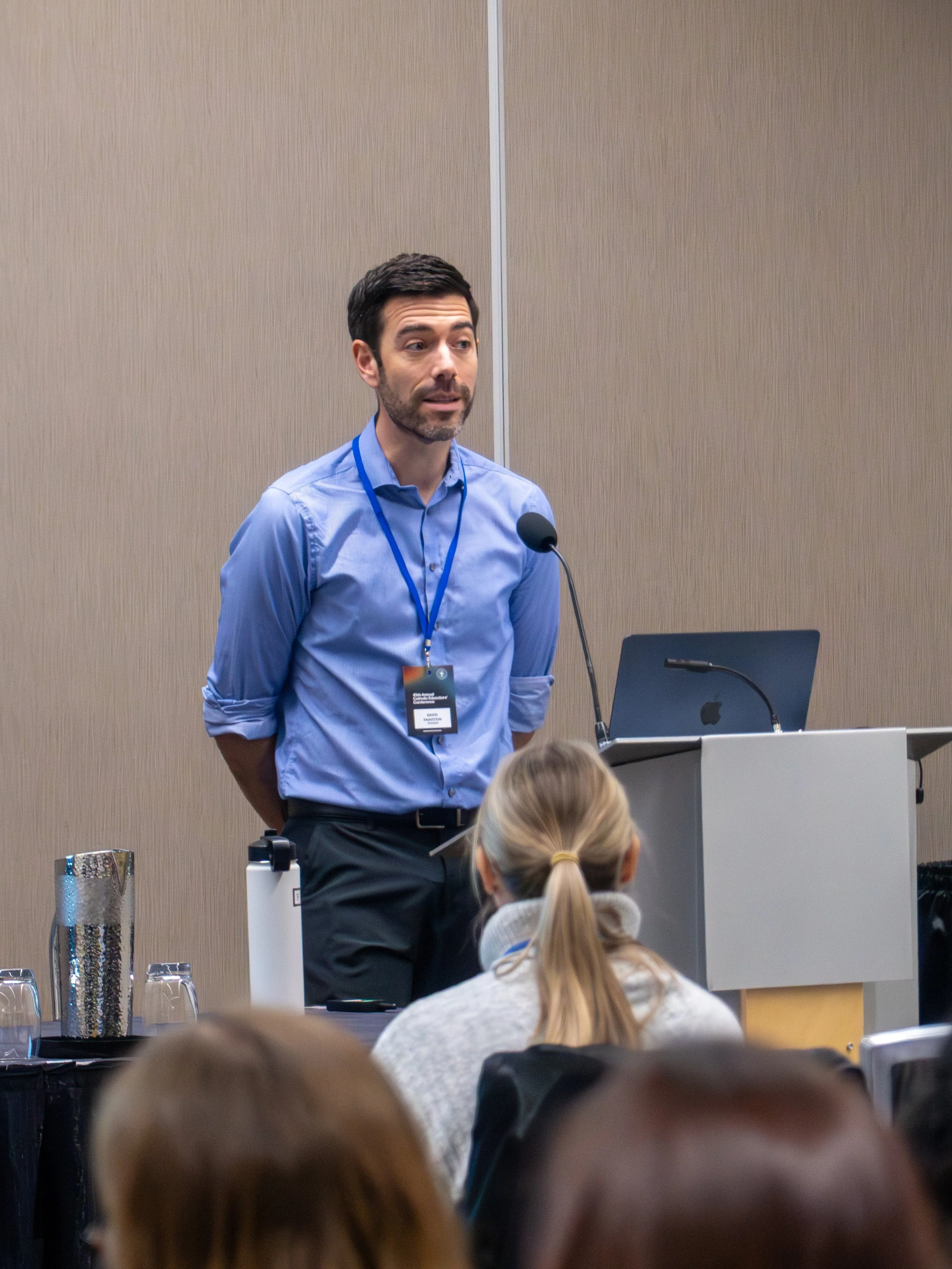
Breakout sessions explored themes in educational research and practice. Dr. David Fainstein (left) of Seattle University connected structured literacy to children’s rights and cognitive development, emphasizing that effective instruction honors the capacities and dignity of each learner. Dr. Zach Groshell addressed the science of learning, highlighting explicit instruction and the limits of working memory as essential considerations in responsible pedagogy. Dr. Judi Newman presented neuroscience and leadership, showing how trust, attentiveness, and psychologically safe environments support sound decision-making and community health.
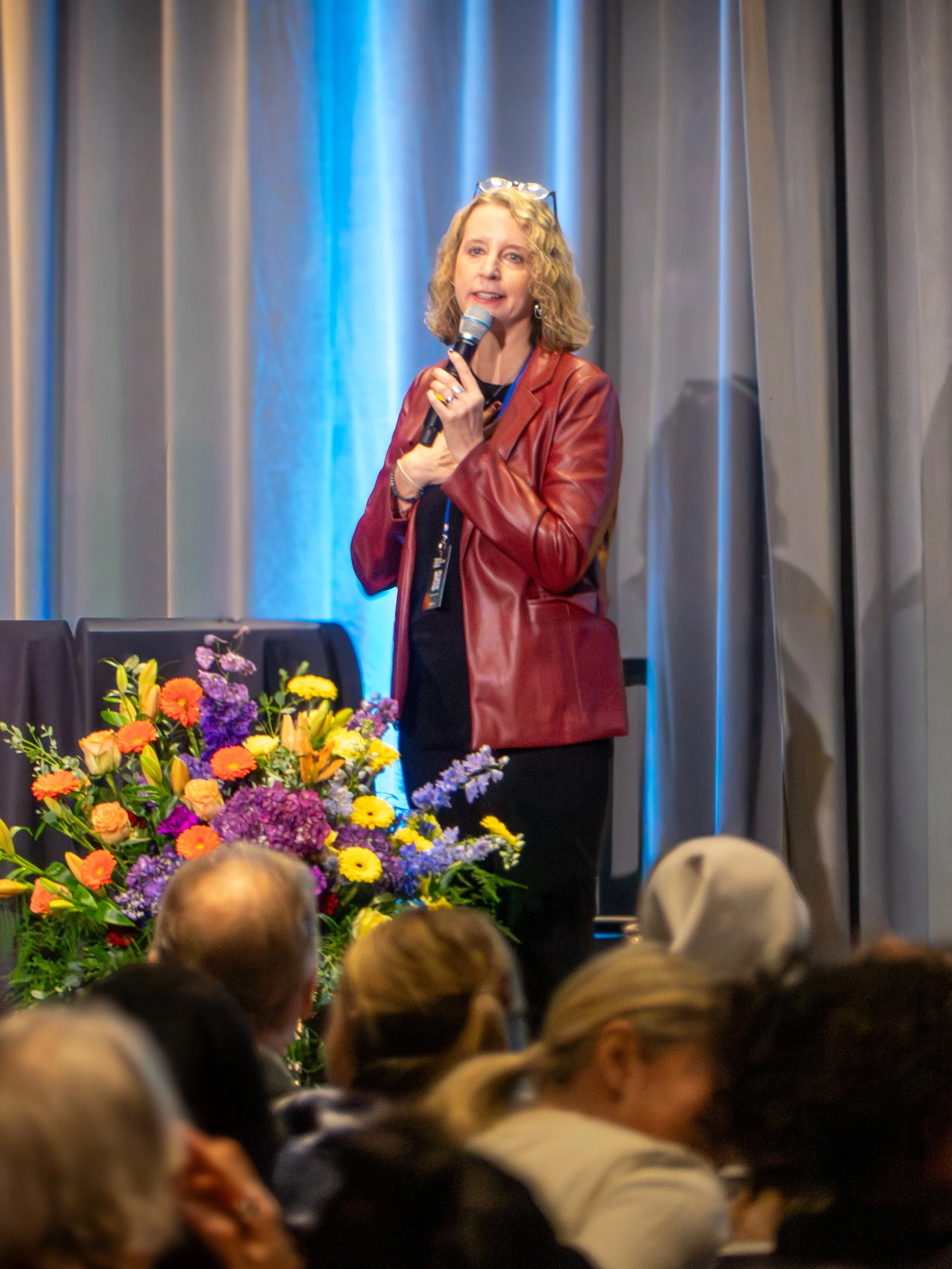
Moral and spiritual formation were also central to the program. Angela Fortunato of the Aster Study Center drew on the teachings of St. Josemaria Escrivá to reflect on the sanctification of ordinary work, encouraging educators to see their daily responsibilities as paths to holiness. Dr. Gerry Turcotte examined identity through the lens of grace, underscoring the transformative power of faith in shaping personal and communal life. Dr. Amy Eva (right) of the University of California, Berkeley, presented research on awe and gratitude as foundations for resilience and well-being, illustrating how practices rooted in wonder and thankfulness can support both student and staff flourishing.
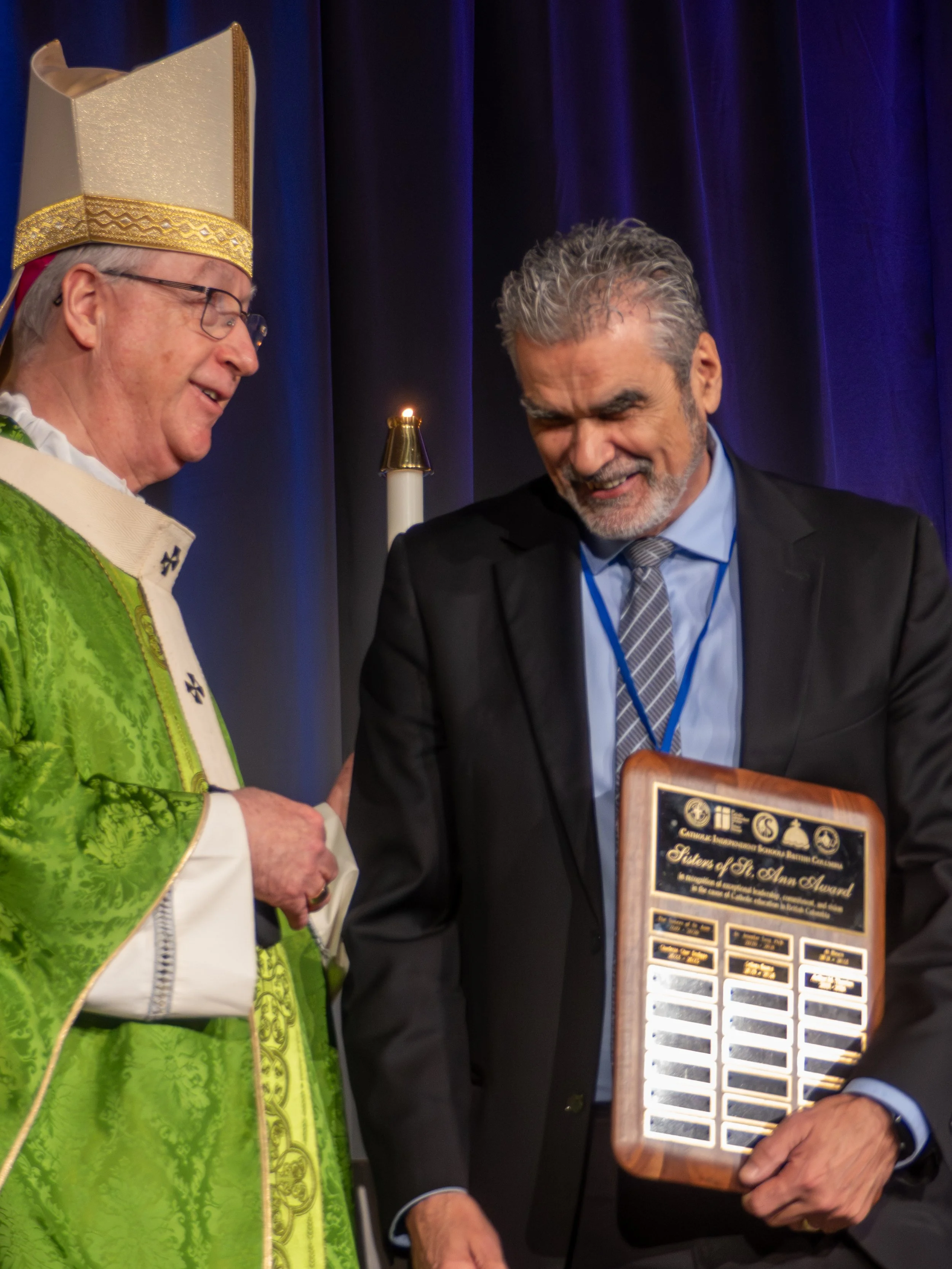
Conclusion: Educational Vocation Renewed in the Church's Mission
Throughout the conference, a consistent message emerged: Catholic education unites intellectual rigor with moral clarity and spiritual depth. Excellence in instruction is inseparable from formation in virtue. Critical thinking must be grounded in truth. Action must be directed toward goodness and the common good. In an age of rapid technological change and cultural fragmentation, Catholic schools remain places where the mind, heart, and will are formed together.
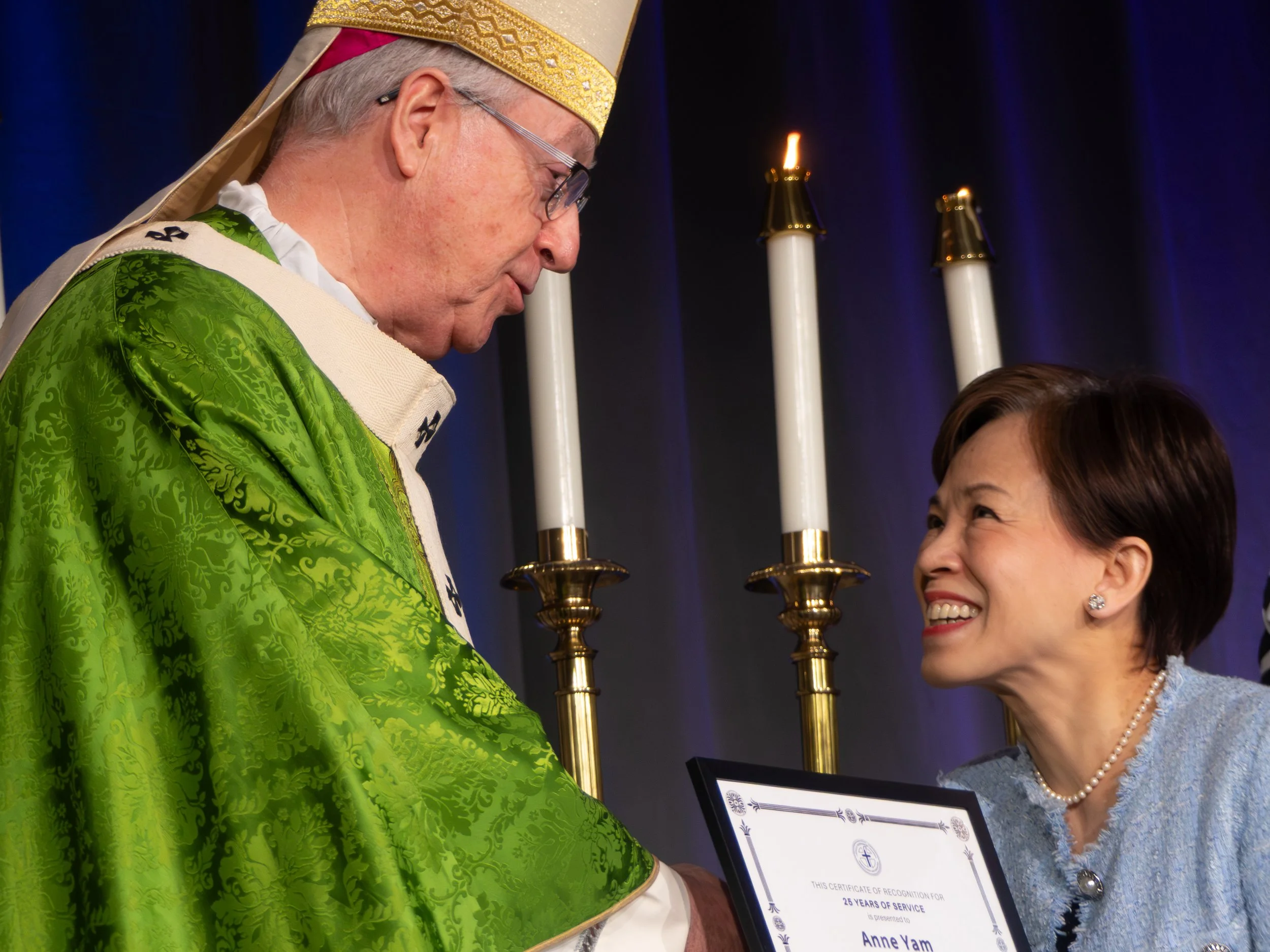
The closing Mass, celebrated by Archbishop Smith, returned participants once again to the sacramental core of their vocation. Service awards honored educators who have devoted decades to Catholic schooling, affirming teaching as a lifelong calling. As the conference concluded, participants departed strengthened by prayer, enriched by scholarship, and renewed in solidarity. The 2026 Catholic Educators Conference stood as a clear witness that Catholic education participates in the Church’s mission, forming persons in truth, communion, and hope in Christ.