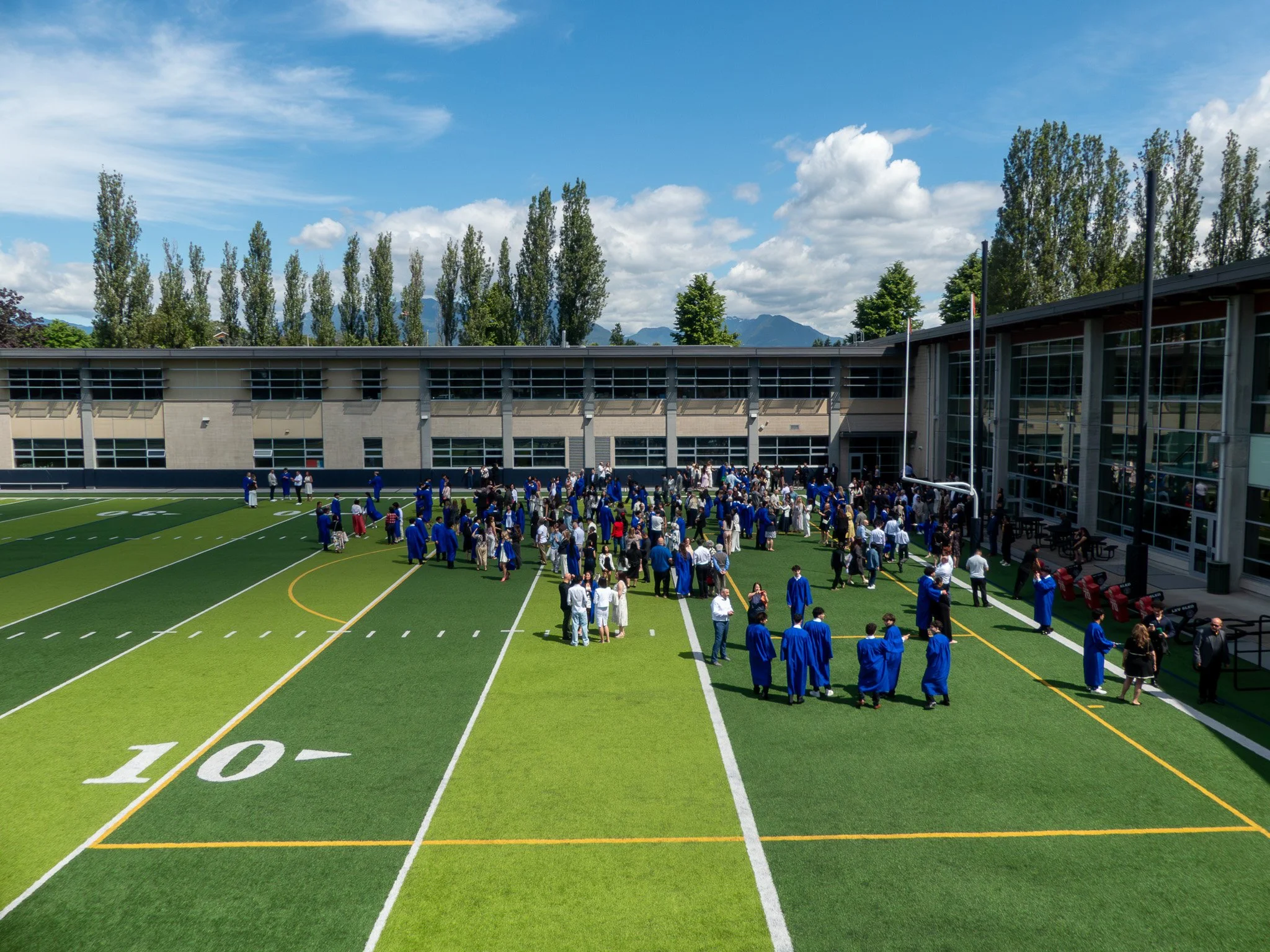
The Class of 2026, Blessed and Sent
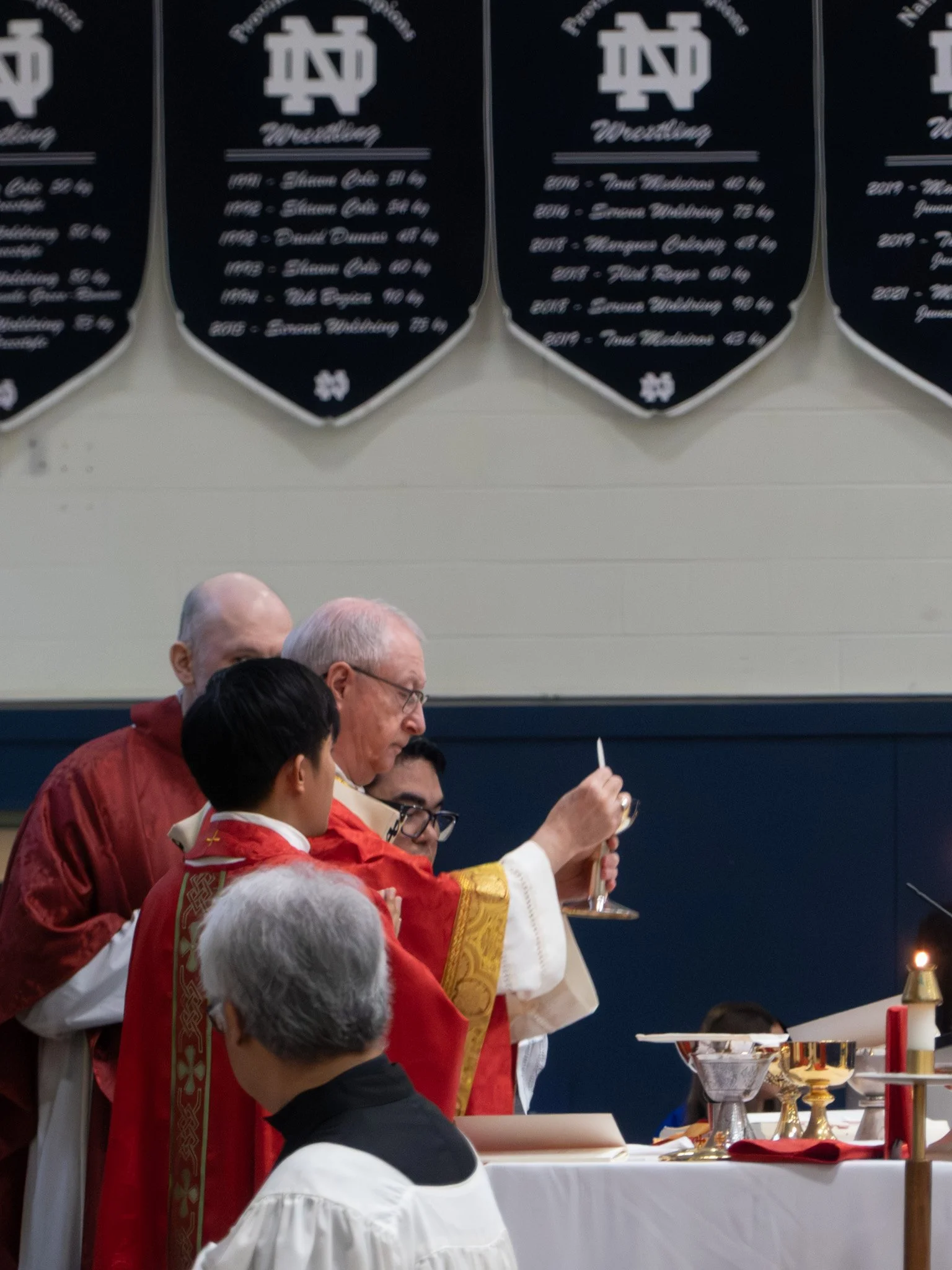
There is a particular hush that falls over a gymnasium when it is asked to become a church. On Venables Street, where the Jugglers have chased basketballs and banners for more than seventy years, the floor was given over this June to candlelight and quiet, to folded hands and blue gowns, to the strange and tender business of sending children out into the world as something closer to adults. Notre Dame has been keeping this rite since 1953. It never seems to get easier, and perhaps it is not meant to.
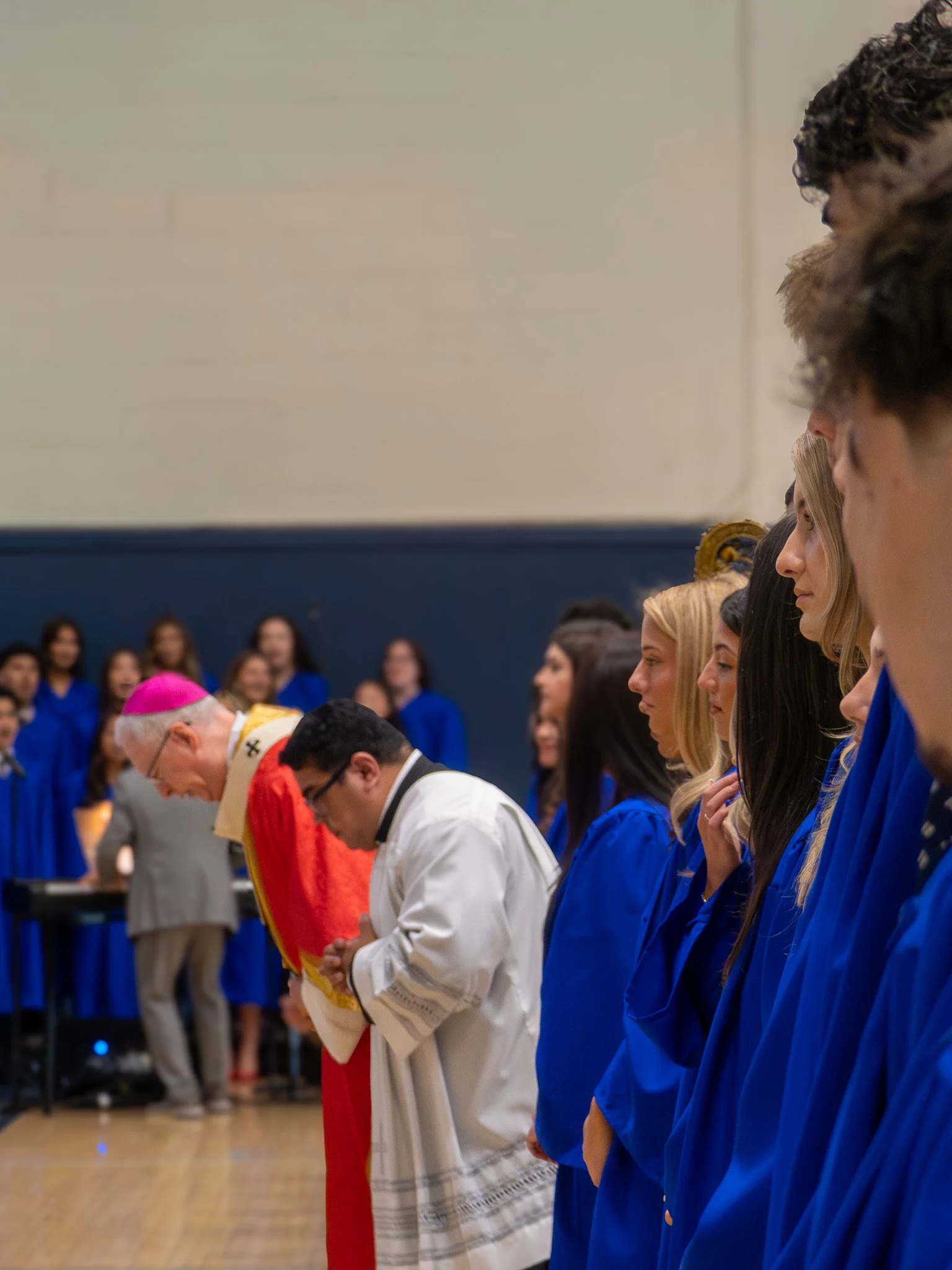
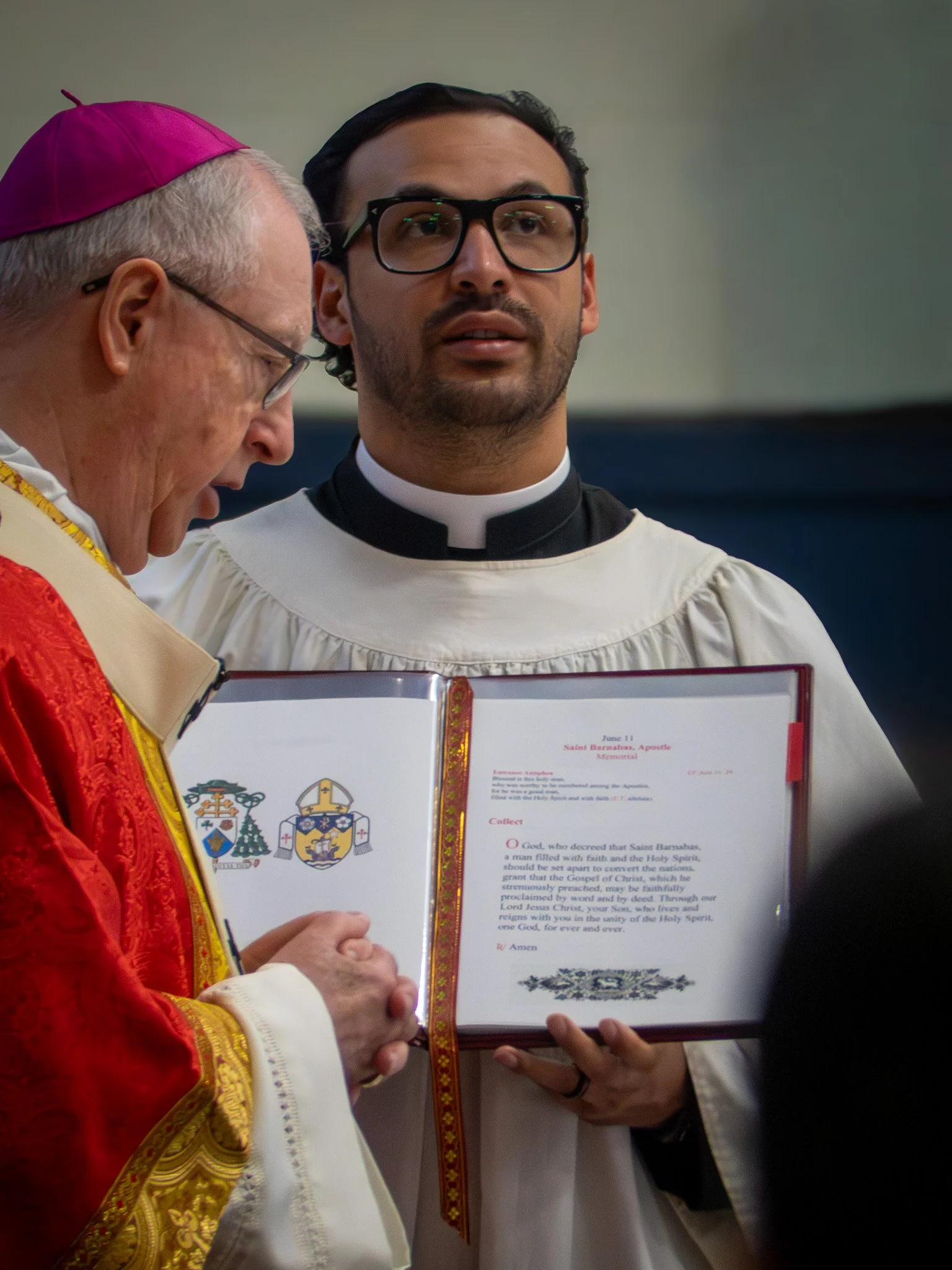
The Class of 2026 processed the way the young always do at such moments — half solemn, half disbelieving — and at the front, in the vestments of his office, stood the Most Reverend Richard W. Smith, the twelfth Archbishop of Vancouver. He carries a motto chosen before any of these graduates were born; Fiat Voluntas Tua. Thy will be done. It is a small phrase on which to build a life, and it was, in a sense, the whole of what he had come to say.
When the Archbishop rose to give his homily, he did not begin with achievement. He began with fear, because he knew his congregation, and he knew that beneath the gowns and the gladness sat a hundred young people quietly terrified of what comes next. To them he offered the oldest reassurance in scripture, the one the Church has never stopped repeating because the human heart has never stopped needing it.
Take heart; it is I. Do not be afraid.
They are the words Christ speaks across the water in the fourth watch of the night, when the wind is against the boat and the disciples are certain the storm will take them (Matthew 14:27). They are the words spoken to a frightened little gathering that had no reason to believe it would survive — do not be afraid, little flock (Luke 12:32) — and to anxious friends on the last night of everything: do not let your hearts be troubled, and do not let them be afraid (John 14:27). The Archbishop reminded the graduates that this is not a sentiment but a command, and a promise behind the command. Be strong and courageous, the Lord tells Joshua at the edge of an unknown country, for the Lord your God is with you wherever you go (Joshua 1:9).
Then came the harder counsel, the part of the homily that lingered.
When Jesus first sent the Twelve out into the towns of Galilee, He gave them an instruction that has unsettled the prudent for two thousand years: Take nothing for the journey — no staff, no bag, no bread, no money (Luke 9:3). Go forth, and bring nothing with you. To a graduating class, the Archbishop observed, this sounds almost like cruelty. The graduate is taught to imagine the future as a matter of accumulation: credentials, savings, certainties, a life provisioned in advance the way a ship is loaded before a long voyage. Carry enough, and nothing can touch you.
Christ asks for the opposite. Travel light. Go nearly empty-handed. Not because the journey is short or safe, but because what you carry matters far less than the One who walks beside you. The disciples who set out with nothing returned with everything; the towns opened to them precisely because they arrived with no defenses, only the message and the courage to speak it. To be sent out unburdened, the archbishop suggested, is not poverty; it is freedom. It is the refusal to let the weight of your own provisions slow you on the road God is calling you down.
And what fills the empty hands, if not bread and money and certainty?
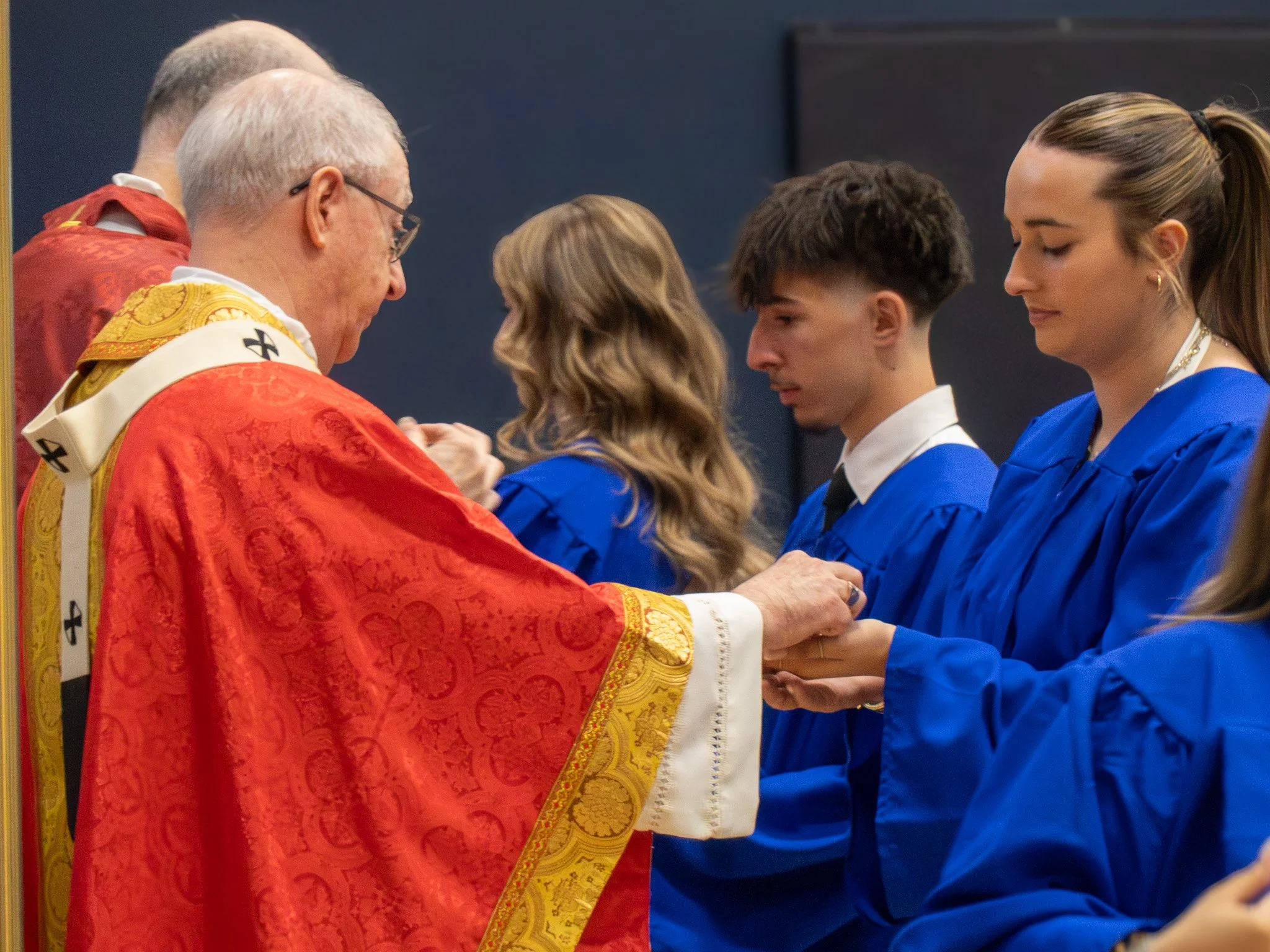
Trust. Only trust. Trust in the Lord with all your heart, the proverb says, and do not rely on your own insight (Proverbs 3:5). Believe in God; believe also in me (John 14:1). This was the third movement of the homily, and its resolution. Be not afraid. Go forth carrying nothing. And in the space where fear and possessions used to be, put your whole trust in Christ, the friend who crosses the water in the storm, who feeds the crowd from a handful of loaves, who does not send anyone out alone.
It is a demanding thing to ask of eighteen-year-olds on a bright June morning, and the archbishop did not pretend otherwise. But it is also, he reminded them, the only counsel that has ever turned frightened people into courageous ones. The saints were not those who packed well. They were those who left the harbour anyway.
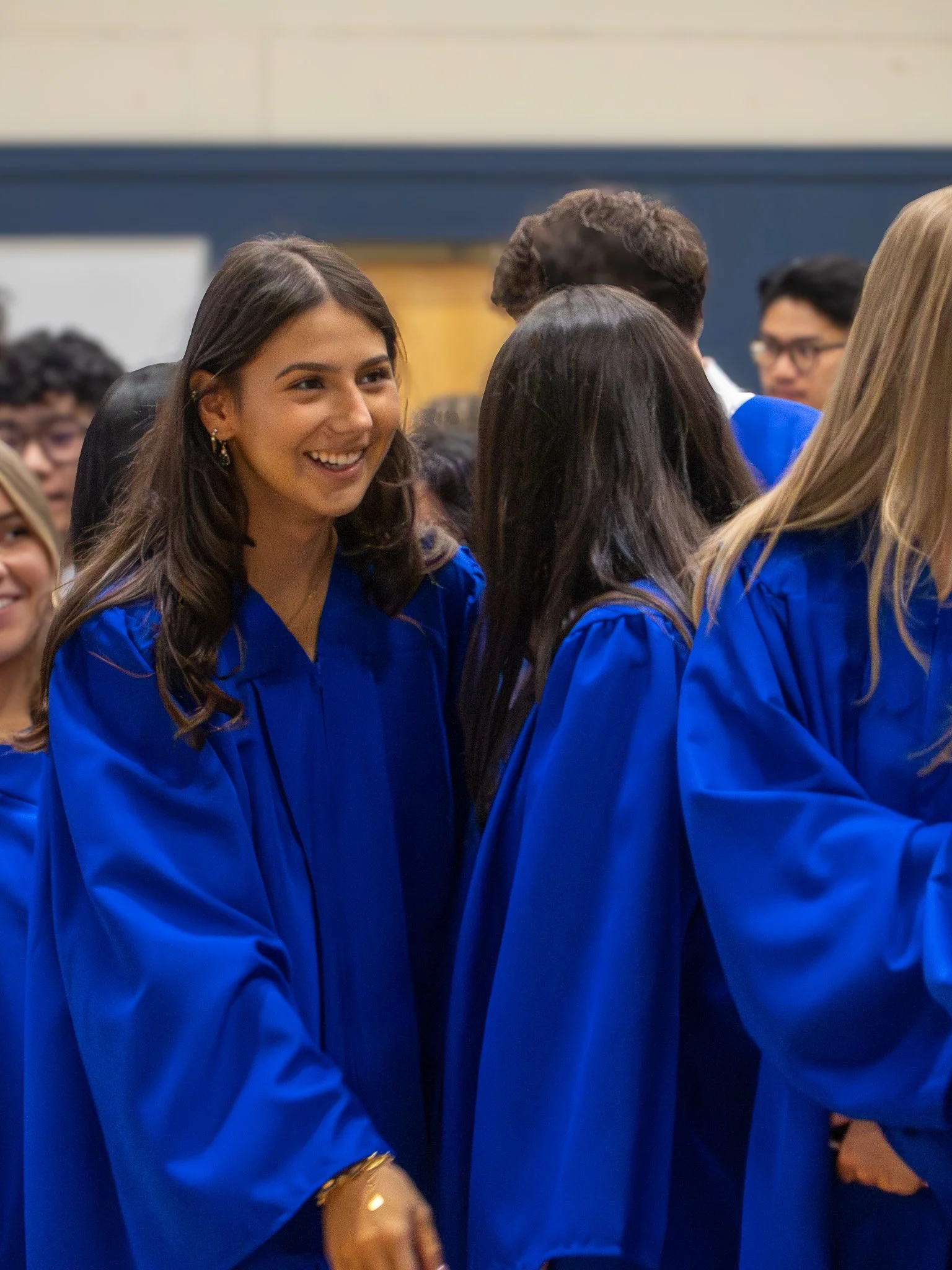
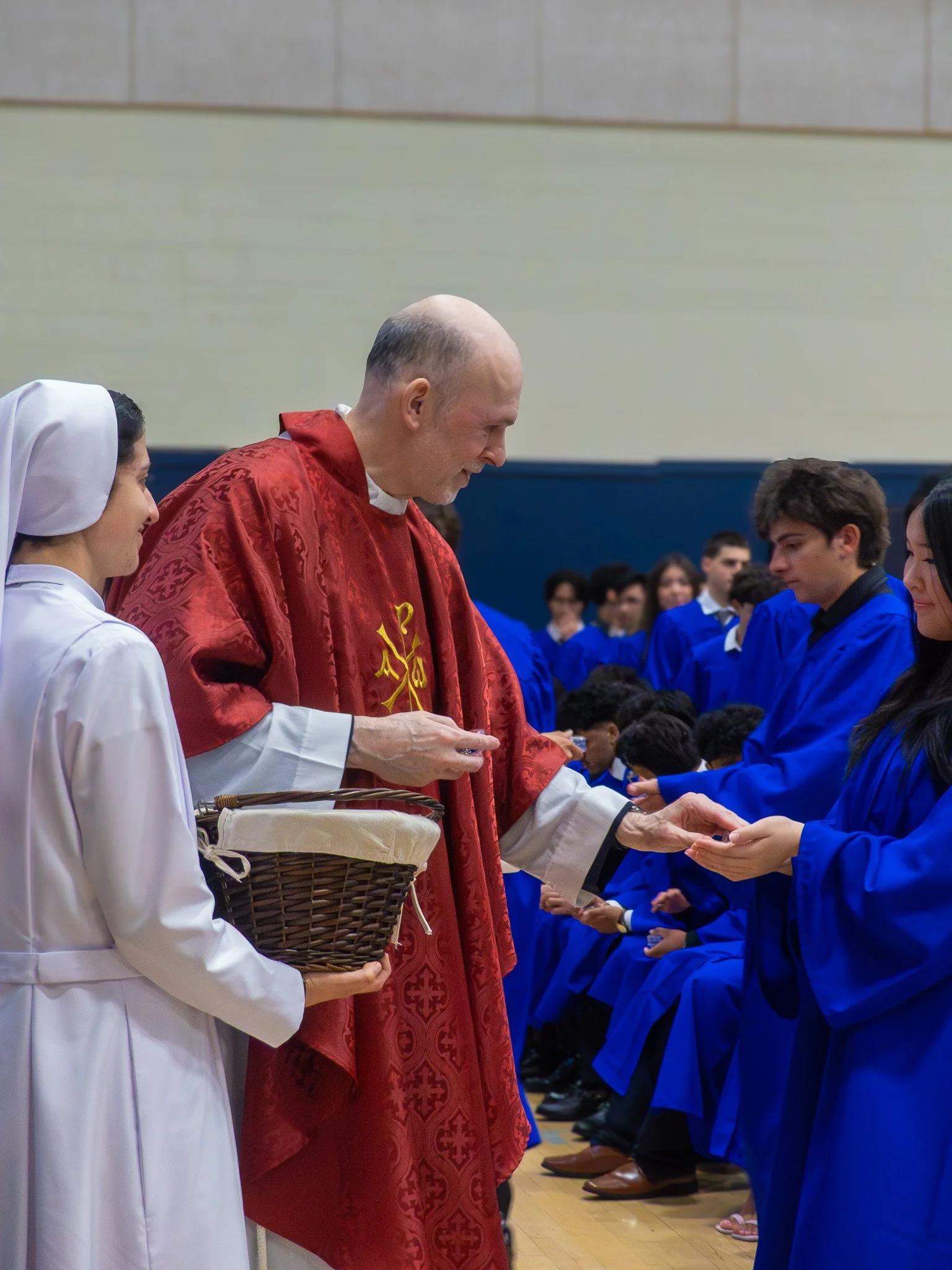
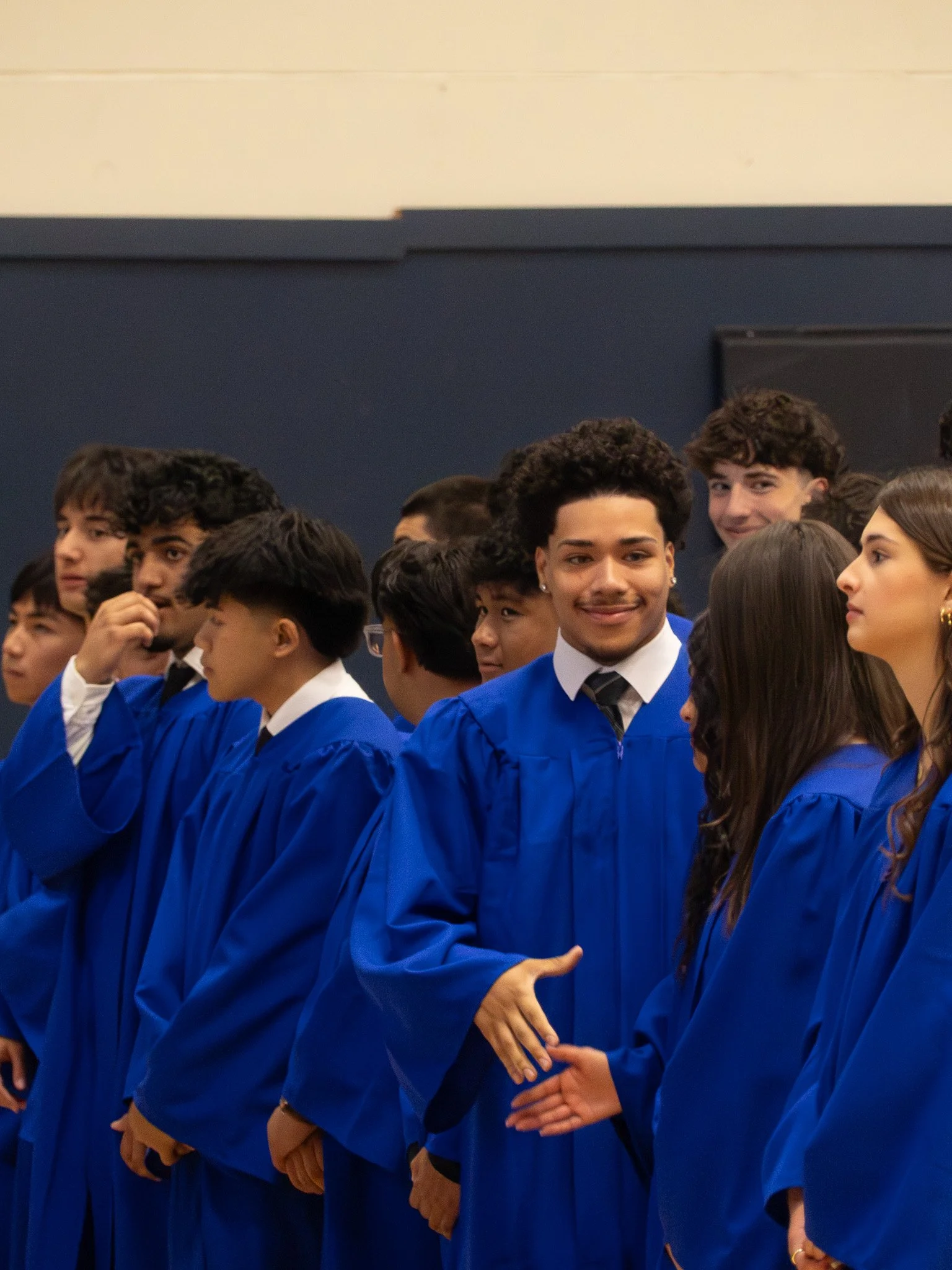
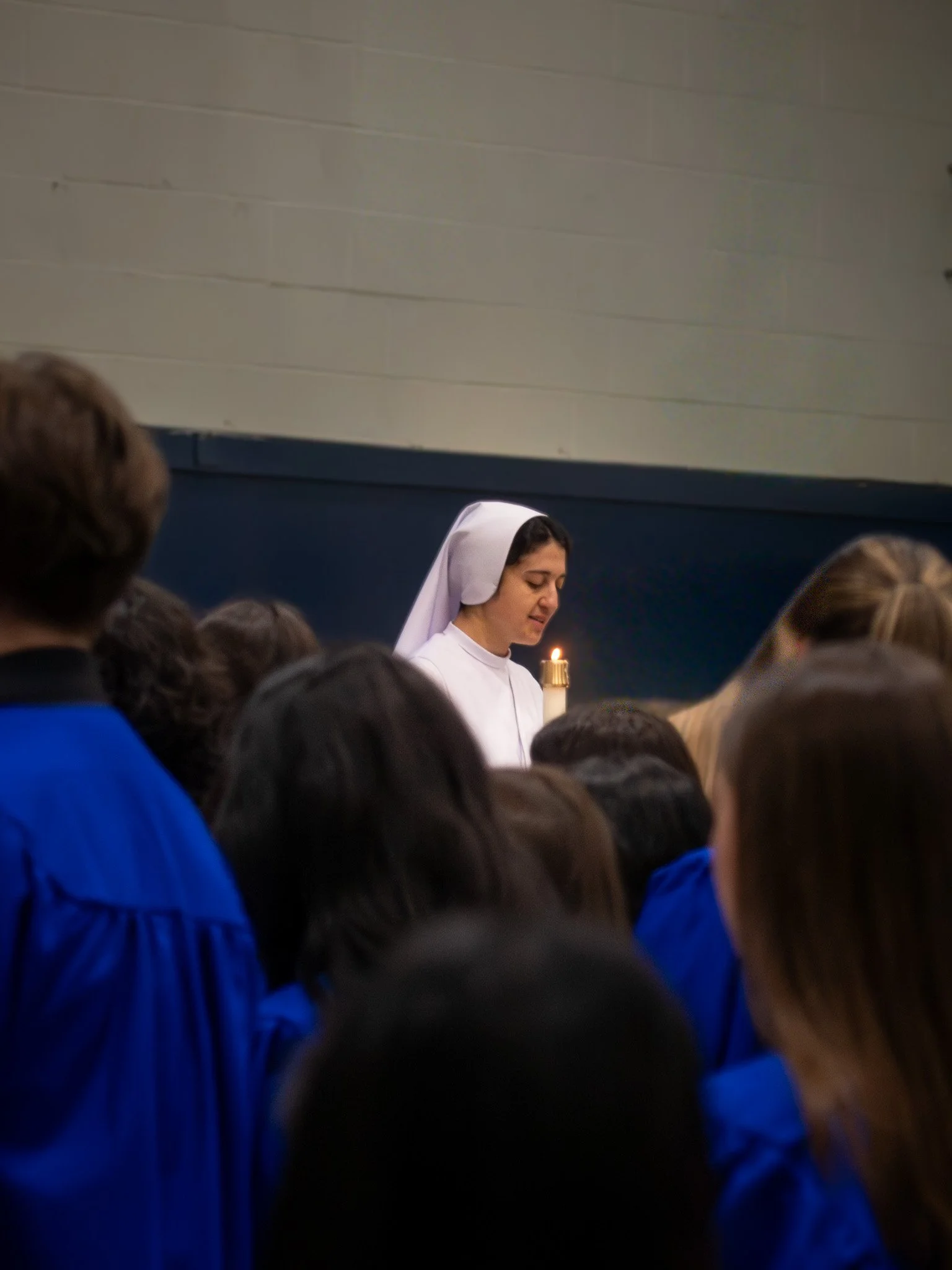
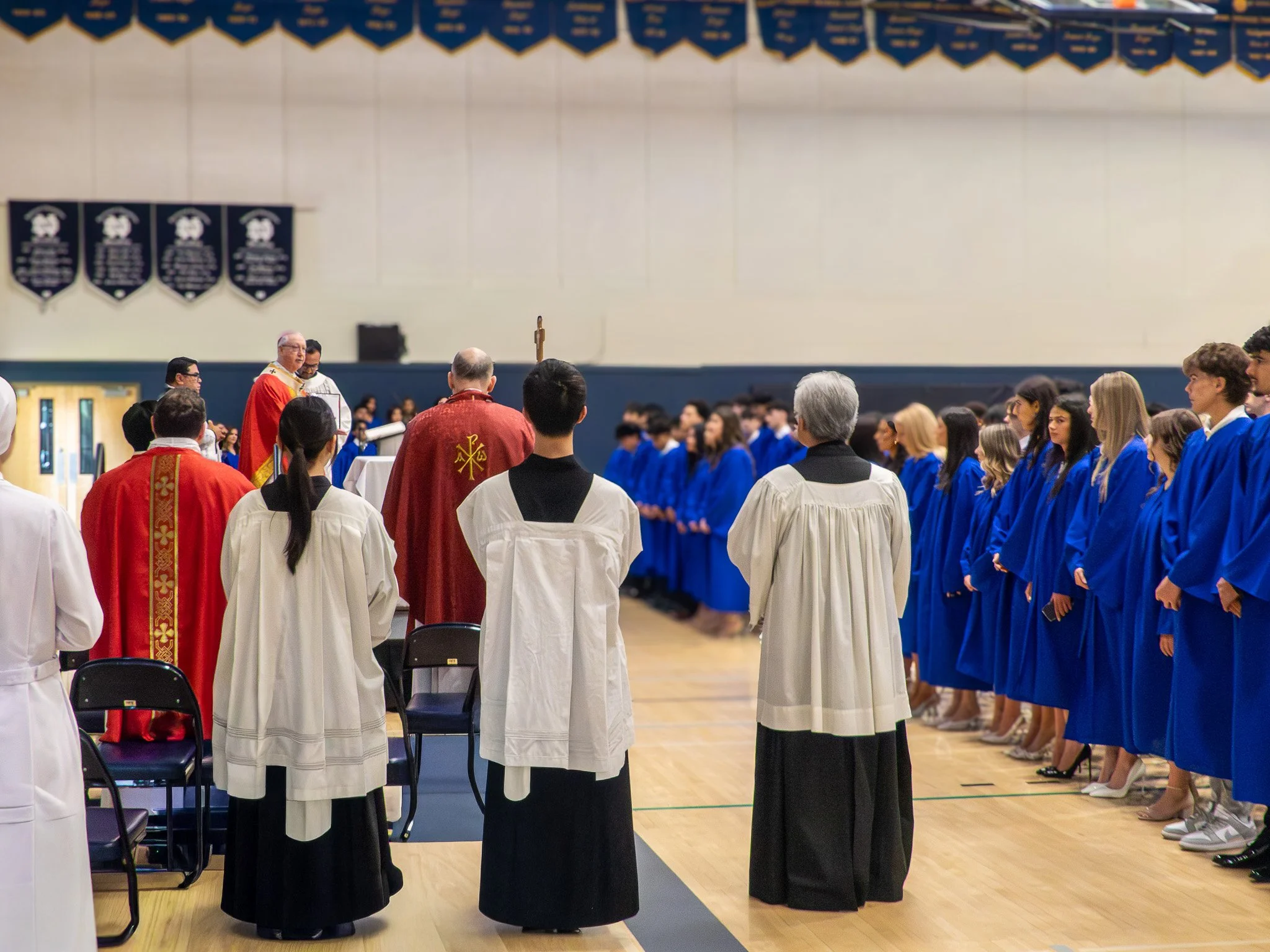
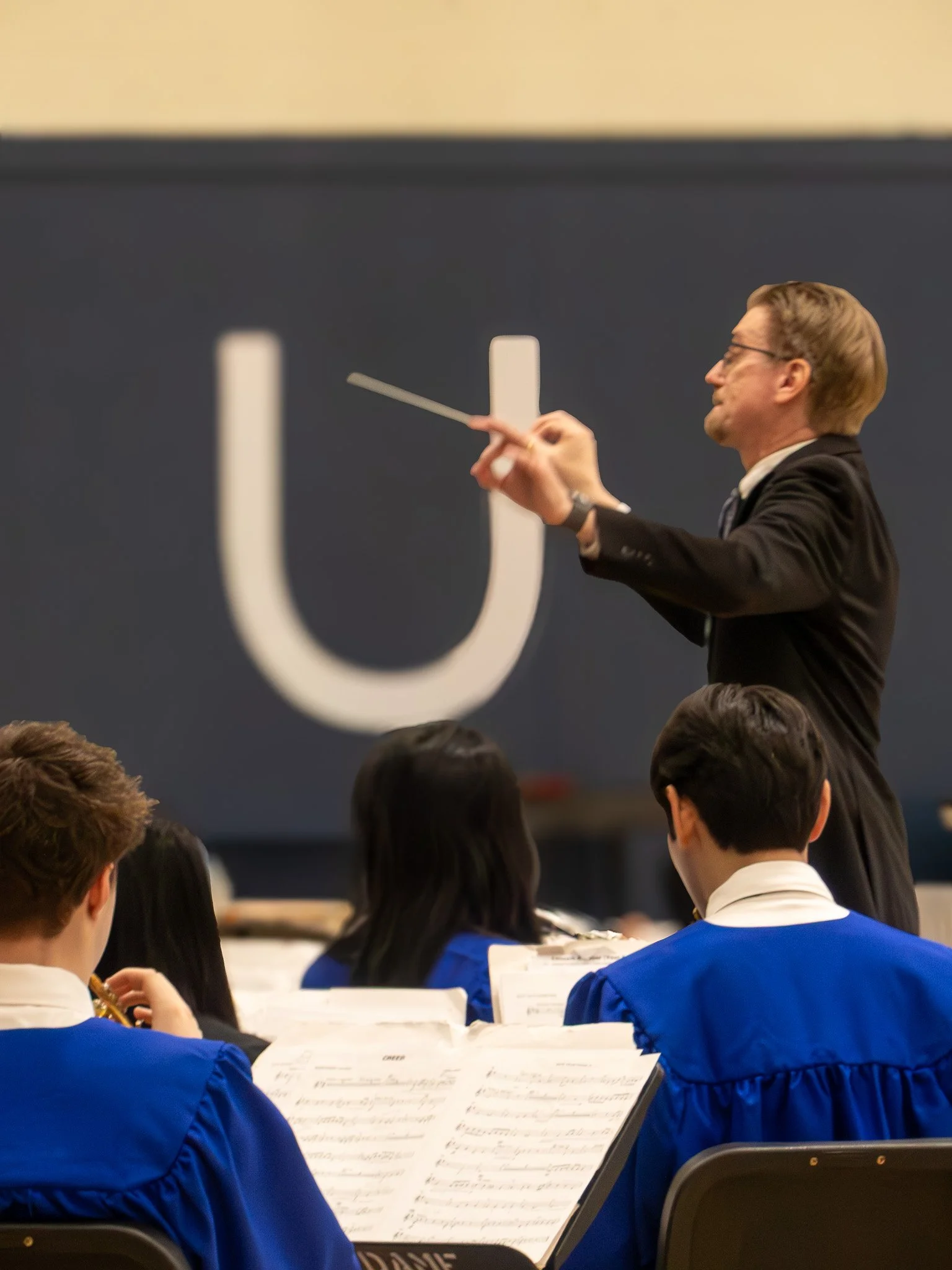
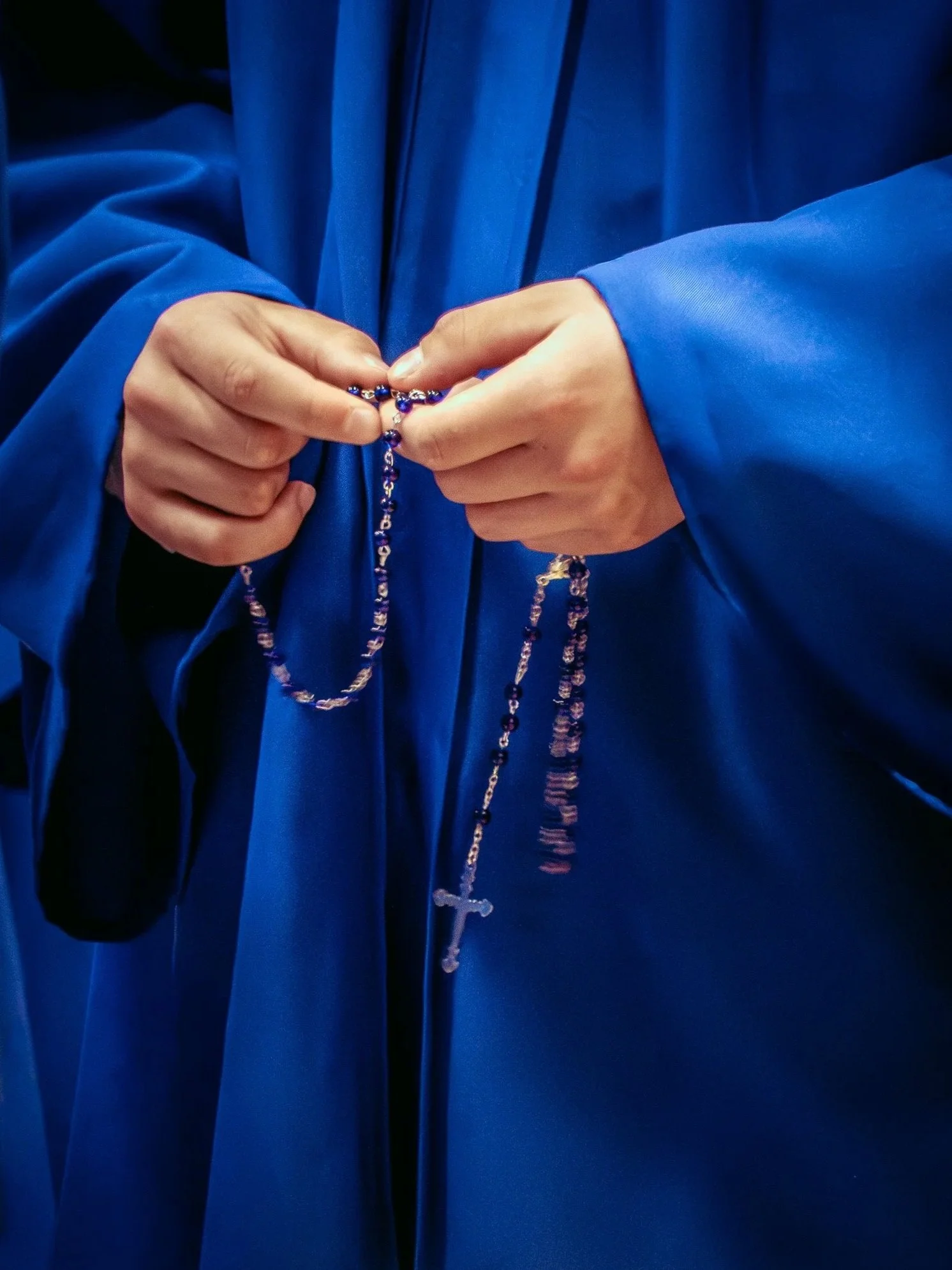
And then the Class of 2026 was sent with a rosary in one hand and a diploma in the other, with a blessing, a sign of the cross, and an open door. They went out into the ordinary glory of a Vancouver afternoon, into universities and jobs and journeys none of them can yet see the end of, carrying less than they think they need and more than they yet understand.
Fiat voluntas tua. Thy will be done.
Be not afraid. Go forth, and bring nothing with you but trust.